Peruvianizing Peru: Covers from Amauta Magazine (1926–30)
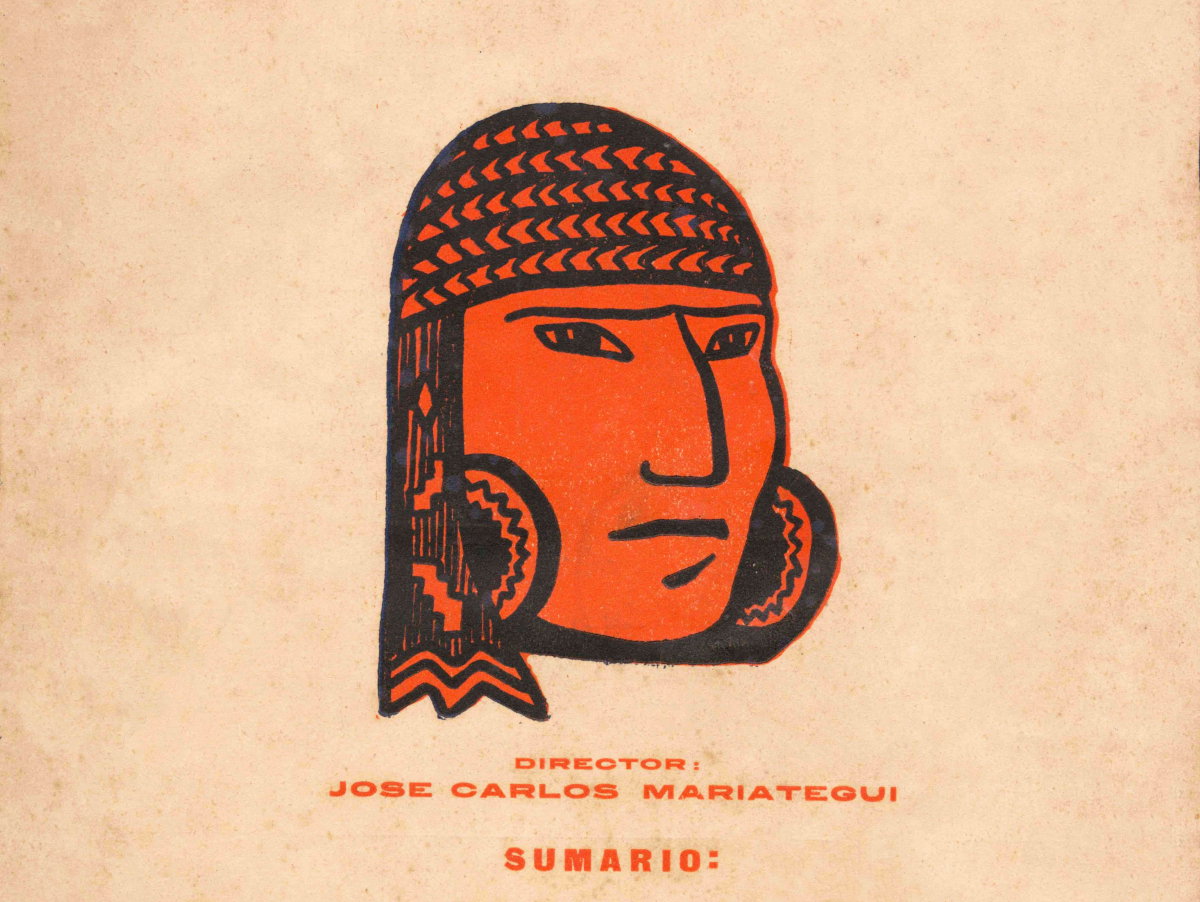
Amauta, a radical Lima-based publication edited by José Carlos Mariátegui between 1926 and 1930, functioned as a platform for avant-garde political and cultural discourse across thirty-two issues. The magazine synthesized European modernist currents—particularly German Expressionism and Soviet aesthetics encountered during Mariátegui’s European sojourn—with Indigenous Peruvian visual culture, establishing Indigenism as the region’s authentic avant-garde trajectory. José Sabogal, serving as arts editor, designed most cover compositions, featuring indigenous iconography and skull-headed figures that referenced both pre-Columbian and contemporary social critique. The publication showcased work by Diego Rivera, translations of Freud, poetry by César Vallejo, and political texts by Rosa Luxemburg and Gabriela Mistral. Though short-lived, Amauta decisively shaped Latin American intellectual and artistic discourse through its ideological fusion of European vanguardism with localized anti-colonial aesthetics, anchoring Mariátegui’s later foundational role in communist thought.
Original article published on Public Domain Review — AI-generated summary. Visit the website to read the full article at the source. Image via Public Domain Review.