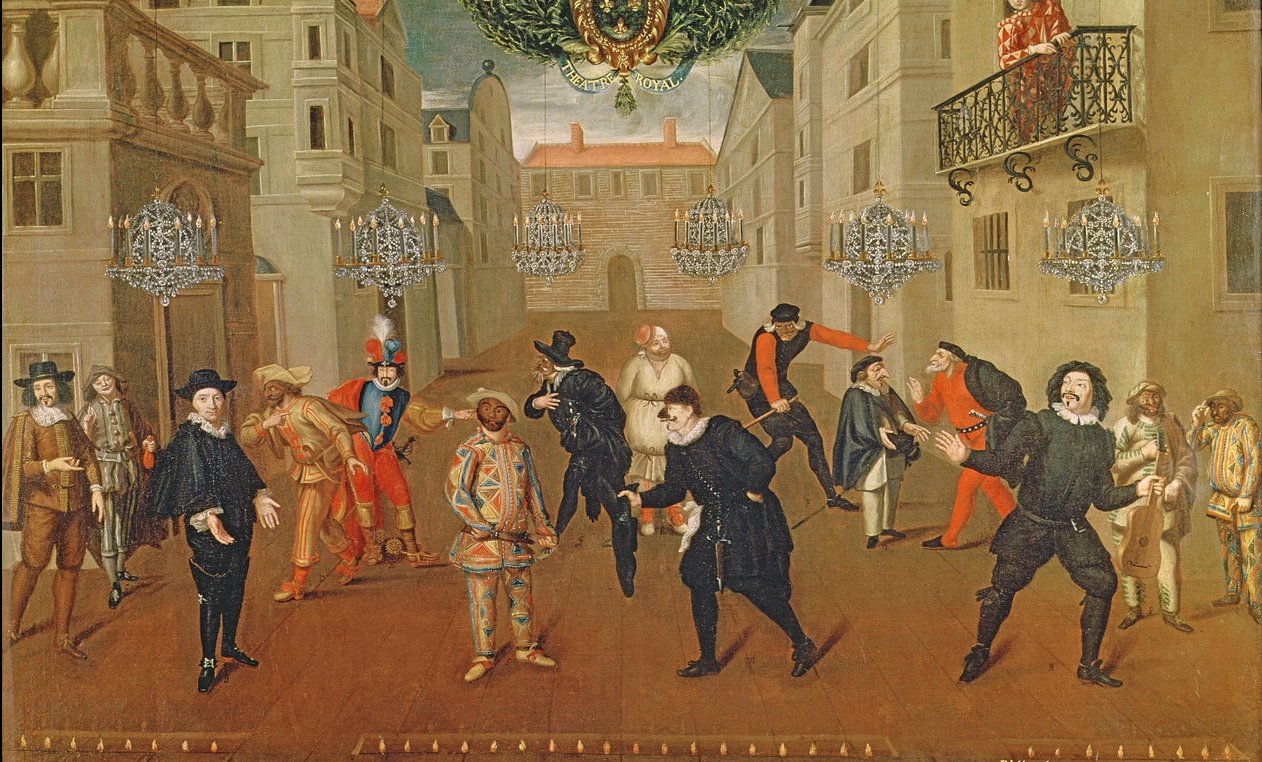
“Worthless Idiot, Donkey Head”: Parodies of Pedantry on the Renaissance Stage
This essay examines the Renaissance stage tradition of satirizing pedantic intellectuals, tracing how Italian comic theatre developed a stock character representing pretentious scholars and humanists. The article traces the genealogy from early sixteenth-century works like Calandra (1513) and Francesco Belo’s El pedante (1538) through to seventeenth-century erudite comedy, exploring how these parodies targeted excessive display of learning, obscure language, and intellectual superiority. Michel de Montaigne’s own critique of pedantry is positioned as validation of these theatrical mockeries, revealing cultural anxiety around knowledge workers and their social transgression. The piece investigates how the pedant figure embodied broader Renaissance anxieties regarding education, class distinction, and the pretensions of humanist erudition, functioning as a vehicle for satirical attack on intellectual pomposity and know-it-all behavior across historical periods.
Original article published on Public Domain Review — AI-generated summary. Visit the website to read the full article at the source. Image via Public Domain Review.