Freiräume Sind Der Rohstoff
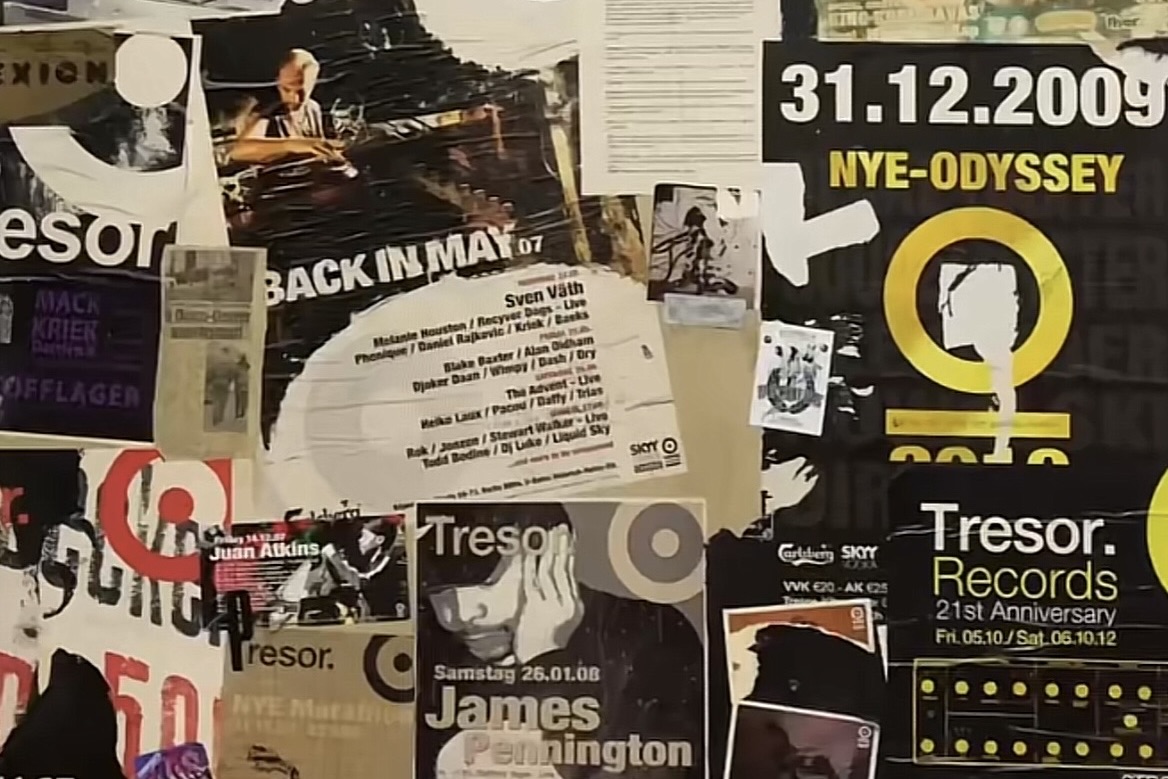
This essay examines Berlin’s transformation into a European creative capital following the 1989 fall of the Wall, arguing that genuine artistic innovation emerged from undefined, economically marginal spaces rather than planned intervention. The piece traces how abandoned factories, squatted buildings, and derelict sites in East Berlin became sites for experimental culture—techno parties, underground clubs like Tresor, artist collectives such as Kunsthaus Tacheles, and independent galleries—without predetermined commercial purpose or mandatory strategic justification. The paradox explored is that this grassroots creative ferment, which attracted international attention and capital, ultimately destroyed the precarious conditions enabling it: as real estate values rose and properties were formalized, interim uses ended and rents displaced the experimental communities that had made Berlin culturally distinctive. The essay reflects critically on this cycle, warning against both romanticizing the chaotic post-Wall period and ignoring its lessons about the relationship between creative freedom, spatial autonomy, and capitalist gentrification in contemporary metropolises.
Original article published on Sleek — AI-generated summary. Visit the website to read the full article at the source. Image via Sleek.