The Missionary Imposition: Godland Reviewed
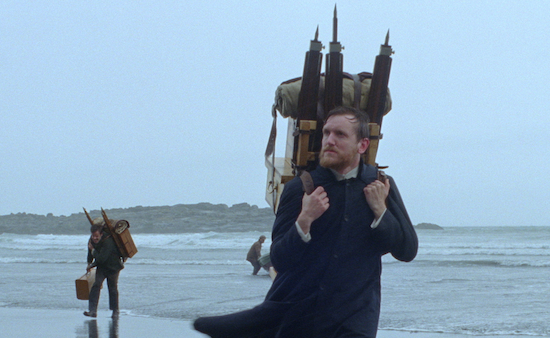
Icelandic filmmaker Hlynur Pálmason’s Godland examines faith, existentialism, and colonial violence through the journey of a 19th-century Danish Lutheran priest establishing a parish in remote Iceland. Cinematographer Maria von Hausswolff’s stark landscapes become integral narrative elements, reducing human figures to insignificance amid towering mountains and hostile terrain. The protagonist Lucas experiences progressive spiritual disintegration as natural suffering contradicts his theological certainties, while expansive horizons oscillate between promises of divine redemption and intimations of meaninglessness. Death and isolation compound his existential crisis, forcing confrontations with mortality and faith’s fragility. Pálmason’s densely layered composition mirrors his previous work A White, White Day in using geography as metaphor, though Godland expands thematically across religious doubt, colonialism, and the sublime’s indifference to human ideology.
Original article published on The Quietus — AI-generated summary. Read the full article at the source.