A Cinema of Survivances: On Lucrecia Martel’s Nuestra tierra
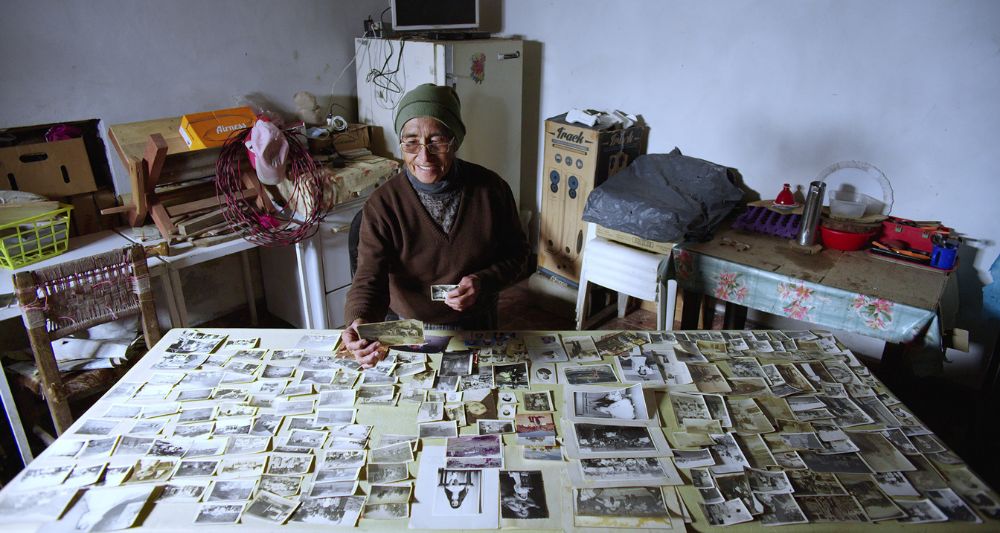
This feature examines Lucrecia Martel’s recent film Nuestra tierra alongside Lisandro Alonso’s Eureka, positioning both works within a contemporary Latin American cinema increasingly engaged with Indigenous resistance and planetary environmental destruction. Drawing on theoretical frameworks around ‘survivance’ and indigeneity, the analysis traces how these filmmakers—who emerged from Argentine New Cinema in 2001—have evolved toward explicitly political engagements with land rights struggles across the Americas. Nuestra tierra originates from footage documenting the 2009 murder of Diaguita leader Javier Chocobar by a rancher and paramilitaries in Tucumán, extending personal tragedy into broader historical narratives spanning centuries. The article argues both films employ aerial perspectives to situate local Indigenous struggles within planetary dimensions, while simultaneously rejecting earlier cinematic mythologies that positioned Indigenous peoples as archaic obstacles to progress. Through formal and narrative experimentation, Martel and Alonso confront settler colonialism’s visual legacies.
Original article published on Senses of Cinema — AI-generated summary. Visit the website to read the full article at the source.