Attention-Seeking Behavior
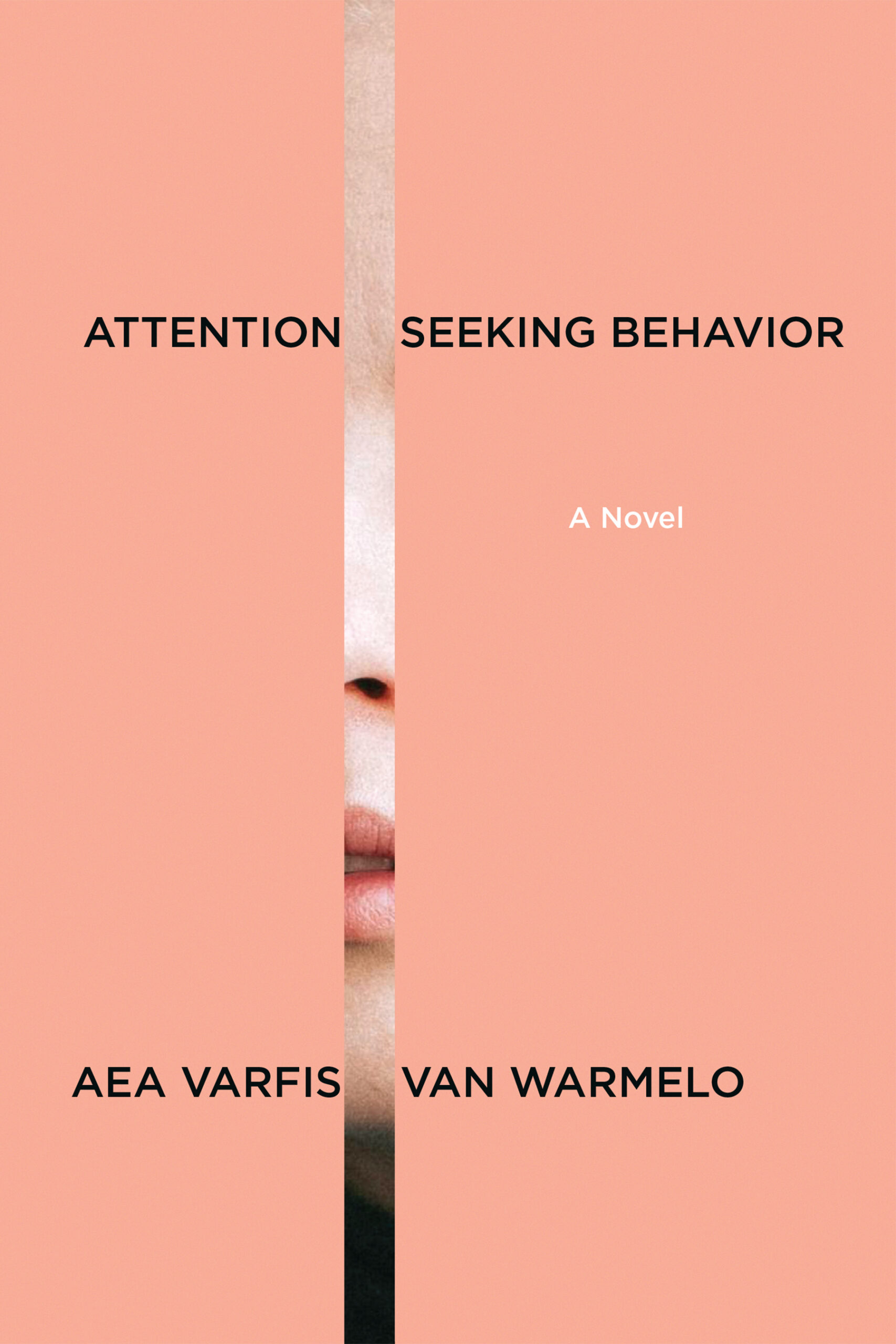
Aea Varfis-van Warmelo’s debut novel explores themes of narrative unreliability, constructed identity, and the erosion of truth in contemporary life through an unreliable female narrator who compulsively rewrites her own history. The protagonist inhabits a precarious post-COVID economy of zero-hour contracts and transactional relationships while engaging in elaborate deceptions that require constant maintenance. The novel engages with critical concepts including “truthiness,” the performativity of emotion (via references to psychologist Paul Ekman), and the constructed nature of selfhood within social media culture and neoliberal precarity. Varfis-van Warmelo’s sharp examination of the creative class, algorithmic labor, and the gap between lived reality and fictional self-presentation aligns with contemporary dark theory concerning authenticity, desire, and capitalist subjectivity. The work’s focus on detection, interrogation, and the unreliability of evidence positions it within transgressive literary traditions that interrogate epistemology and social control.
Original article published on Rain Taxi — AI-generated summary. Read the full article at the source.