Lady in White: The Alchemy of Nostalgia and 1960s Social Realism Is Scary as Hell
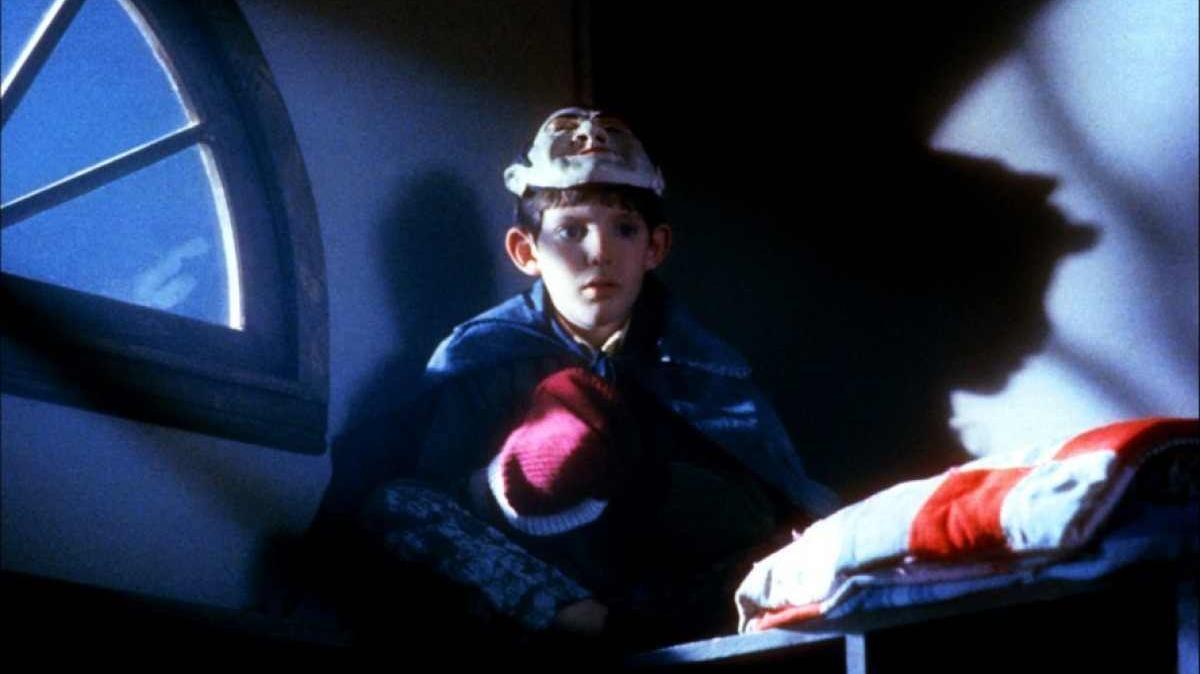
Released in 1988, Lady in White is a ghost story, murder mystery, and coming-of-age film written and directed by Frank LaLoggia. Set in 1962, it follows nine-year-old Frankie Scarlatti as he witnesses a girl’s murder and becomes obsessed with solving a series of child killings while a Black janitor is wrongly accused. LaLoggia discusses how the film drew from his personal experiences and youth in the early 1960s, particularly family scenes. He explains that he created the ghost story as a commercial framework for a coming-of-age narrative. LaLoggia emphasizes his cinematic influences, including German expressionist films, Universal horror classics, and works by Ken Russell, Roman Polanski, and Vittorio De Sica’s Bicycle Thieves. He details how he maintained creative control over Lady in White after learning from distribution failures on his previous film, Fear No Evil, and collaborated with cinematographer Russell Carpenter on storyboarding to achieve the film’s tonal balance between childhood idyll and intense scares.
Original article published on Fangoria — AI-generated summary. Visit the website to read the full article at the source.