Long Live The New Flesh: Videodrome At 40
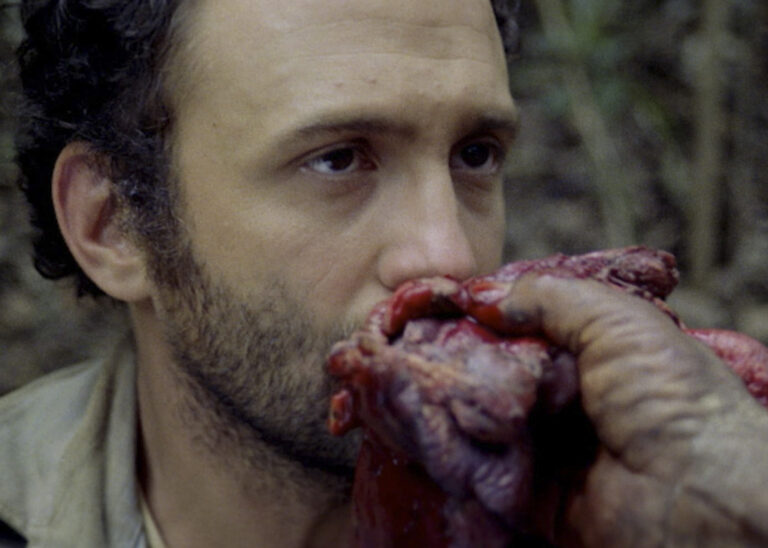
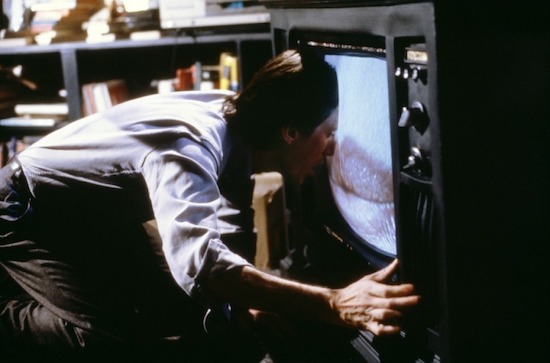
A retrospective essay examines David Cronenberg’s 1982 masterwork Videodrome four decades after its release, arguing its prescience regarding contemporary digital culture and fragmented reality. The piece analyzes how the film’s central concept—technology professor Brian O’Blivion’s assertion that television constitutes raw experience—resonates with present-day existence shaped by streaming platforms, social media algorithms, and virtual immersion. Through close readings of key sequences, particularly the Cathade Ray Mission subplot depicting isolated individuals consuming individualized video streams, the author traces Cronenberg’s investigation into ideological reality-construction via relentless image bombardment. The analysis positions Videodrome as part of a thematic trilogy with eXistenz and Crimes of the Future, emphasizing the director’s consistent exploration of permeable boundaries between physical and screened existence. The essay examines formal techniques—nested diegetic television frames, porous visual borders—that blur protagonist and viewer perspective, demonstrating how Cronenberg’s visual language anticipated contemporary hyperreality’s erosion of ontological distinctions between body and digital consciousness.
Original article published on The Quietus — AI-generated summary. Read the full article at the source.