Love and Terror
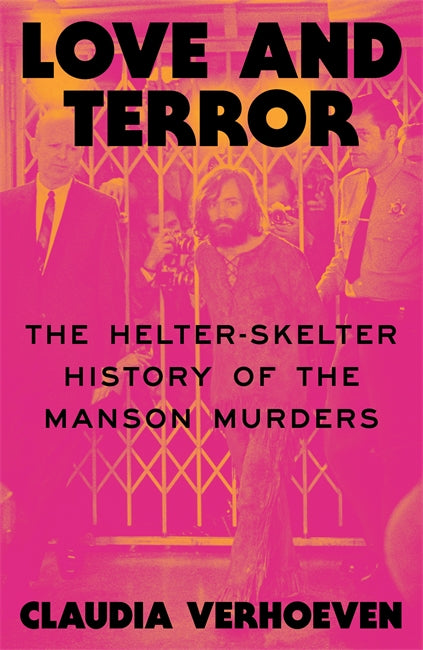
Claudia Verhoeven’s Love and Terror, published by Verso, reexamines the 1969 Manson murders through archival research and critical historical methodology. Rather than rehearsing the true crime genre’s conventional narrative, Verhoeven positions the killings as a diagnostic moment revealing American culture’s relationship to spectacle, avant-gardism, and revolutionary violence. The book challenges the mythologization of Manson himself, contextualizing the murders within global countercultural and radical movements of the era. By treating this watershed event—which Joan Didion famously declared the symbolic end of the sixties—as a prism for understanding American mythology and the genealogy of spectacle culture, Verhoeven’s work intersects with critical theory’s engagement with media spectacle, cultural collapse, and the darkness underlying utopian countercultural projects. The methodology aligns with Verso’s intellectual tradition of cultural-historical critique.
Original article published on Verso Books — AI-generated summary.
Visit the website to read the full article at the source