Race and Regionalism: ‘Drenched in Light’
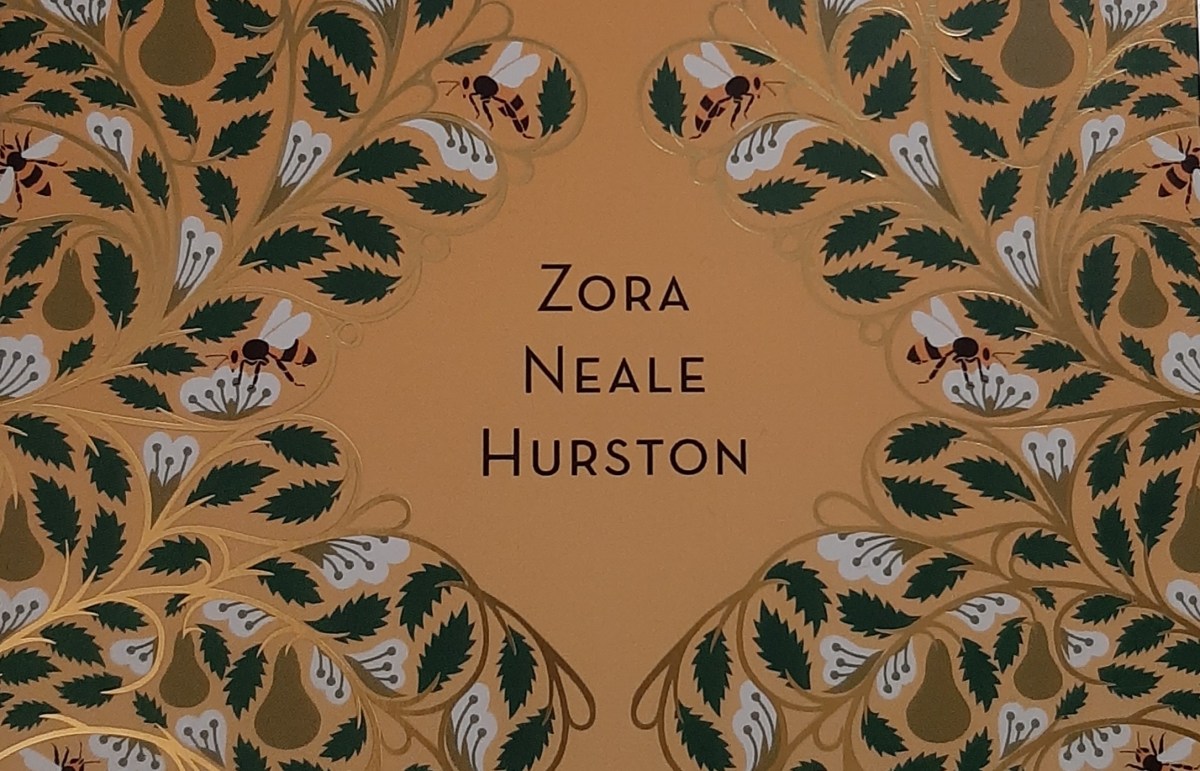
This essay examines Zora Neale Hurston’s 1924 short story ‘Drenched in Light’ as a foundational work of Southern Gothic literature. Set in 1920s Florida, the semi-autobiographical narrative follows 11-year-old Isis, an expressive and optimistic protagonist navigating family tensions and her yearning for adventure beyond domestic constraints. Born in Eatonville, Florida in 1891, Hurston drew from her hometown—the oldest incorporated Black town in America—to capture themes of Black identity, psychological complexity, and regional specificity. Though initially overlooked, Hurston became central to the Harlem Renaissance (1920s-30s), gaining widespread recognition posthumously in the 1970s. The essay positions ‘Drenched in Light’ as pre-Southern Gothic fiction, establishing thematic foundations comparable to Edgar Allan Poe’s canonical work. Humor and perspective distortion characterize the narrative’s exploration of adolescence, geography’s influence on horror, and the tension between internal freedom and external constraint.
Original article published on Generally Gothic — AI-generated summary.