Raising Ghosts: ‘The Haunting of Hill House’
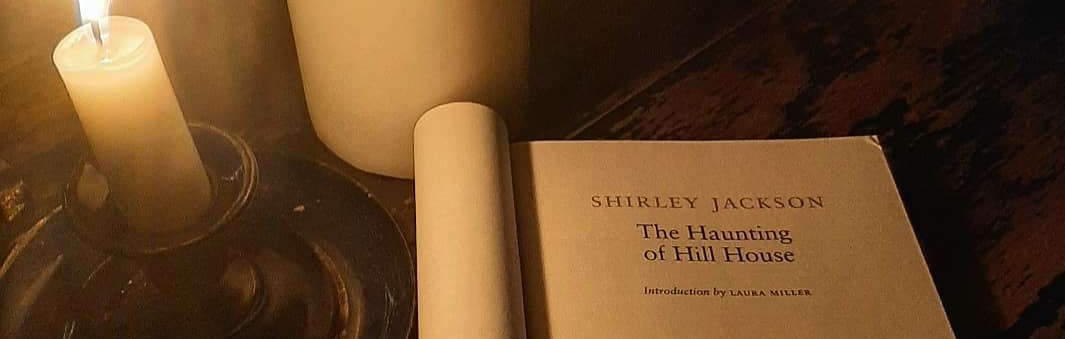
This essay examines Shirley Jackson’s ‘The Haunting of Hill House’ as a quintessential Gothic work centering on the supernatural entity of Hill House itself as protagonist. The author analyzes Eleanor ‘Nell’ Vance’s psychological unraveling within the malevolent, eighty-year-old mansion, exploring themes of madness, maternal influence, and the house’s sentient malevolence. Jackson’s 1959 novel employs ambiguity regarding supernatural versus psychological horror, positioning Hill House as an architectural character that embodies chaos and darkness. The essay situates Jackson’s work within the broader Gothic literary tradition, citing influences from Poe, Gaskell, and Dickens, while emphasizing Jackson’s unique exploration of female psychology and vulnerability. The piece was published by Generally Gothic as part of Women in Horror month celebrations, examining how the novel functions as a meditation on sanity, isolation, and the house’s dreamlike capacity to unmake its inhabitants.
Original article published on Generally Gothic — AI-generated summary.