The Alchemical Transformations of the Mutus Liber (1677)
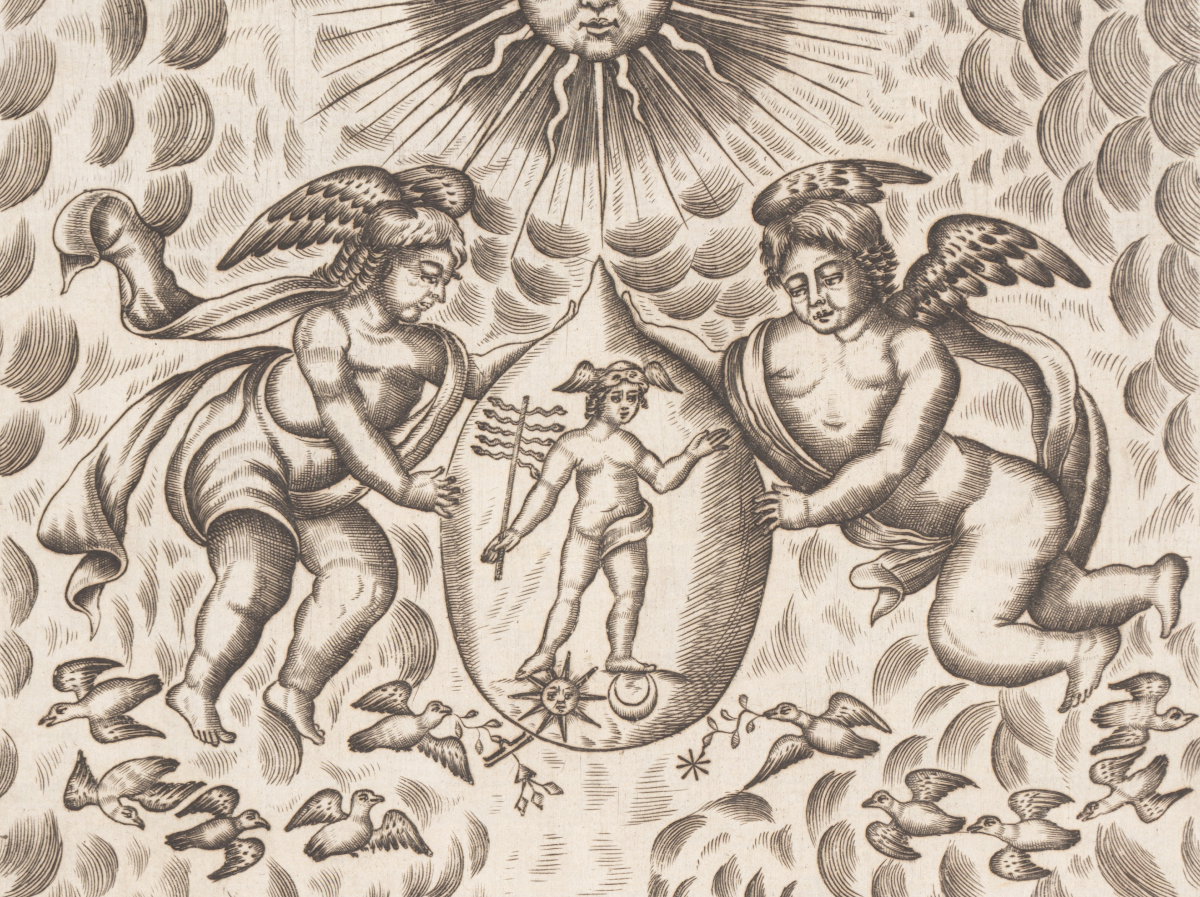
The Mutus Liber (1677), a seminal alchemical text attributed to the author ‘Altus’, presents fifteen engraved plates encoding instructions for manufacturing the Philosopher’s Stone through hermetic philosophy. The opening plate depicts Jacob’s ladder vision overlaid with cryptic hieroglyphic figures and reversed numbering, which modern interpreters like Eugène Canseliet decode as metallurgical metaphors—trumpets signifying saline compounds, paired angels representing complementary alchemical principles (sulphur/mercury, male/female). Subsequent plates detail the ‘humid way’ of stone-creation: dew collection, distillation, fermentation, purification, and final calcination using saltpeter and ammonium chloride. Readers have long associated the dual figures with Nicolas and Perrenelle Flamel, legendary fourteenth-century Parisians credited with alchemical success, though modern scholarship confirms the Flamels were real but likely not alchemists; the text purporting to record their discoveries was fabricated in the seventeenth century. The work remains a cornerstone of Western esoteric iconography and symbolic transmutation imagery.
Original article published on Public Domain Review — AI-generated summary. Visit the website to read the full article at the source. Image via Public Domain Review.