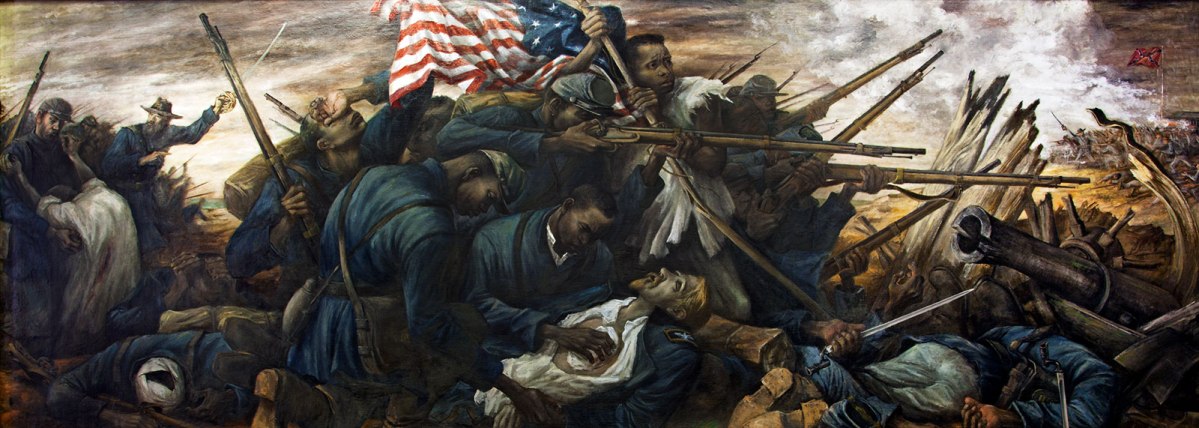
The American Civil War: ‘A Rose for Emily’
This essay examines William Faulkner’s ‘A Rose for Emily’ within the Southern Gothic literary tradition, contextualizing the short story through the historical trauma of the American Civil War (1861-1865). The author traces Southern Gothic foundations to Edgar Allan Poe’s ‘The Fall of the House of Usher’ and argues, citing Teresa A. Goddu’s Gothic America: Narrative, History, and Nation, that gothic narratives are inextricably bound to their historical contexts. The piece provides historical background on the Civil War’s origins at Fort Sumter in April 1861, detailing the ideological conflict between northern anti-slavery forces under Abraham Lincoln and eleven confederate southern states defending slavery. The essay posits that understanding this historical horror—the war’s devastation and slavery’s brutality—is essential to interpreting Faulkner’s exploration of how regional trauma and post-war Southern decline manifest through gothic narrative structures and psychological horror in the text.
Original article published on Generally Gothic — AI-generated summary.