“The Persian Mâr-Nâmeh or, The Book for Taking Omens from Snakes” (1892)
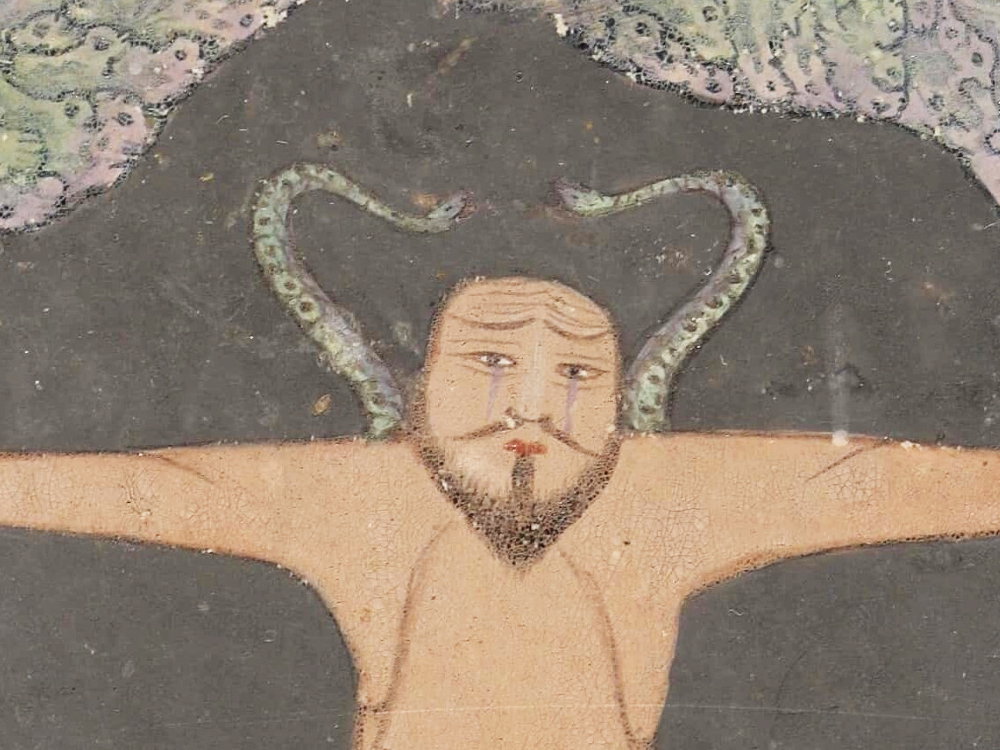
A 19th-century scholarly examination of the Mâr-Nâmeh, a Zoroastrian divination text composed in the late 15th century that interprets snake sightings across the thirty days of the Zoroastrian calendar as omens. The work, part of the Revayat tradition of religious commentary, presents a paradox: while Zoroastrianism historically condemned snakes as khrafstar (baneful creatures spawned by Ahriman, the principle of evil), the Mâr-Nâmeh contains both malevolent and auspicious auguries tied to ophidian encounters. A 1911 lecture by British surgeon George Waters to the Bombay Anthropological Society documented the text’s curious treatment of serpents, including the dichotomy between ancient Persian snake-killing practices and the oracle’s occasional benign predictions. The document reflects broader cosmological binaries within Zoroastrian thought, contrasting beneficent divine creatures with demonic fauna, exemplified in the Shahnameh’s monstrous figure Zahhak.
Original article published on Public Domain Review — AI-generated summary. Visit the website to read the full article at the source. Image via Public Domain Review.