Through the Looking Glass: The Gold Diggers
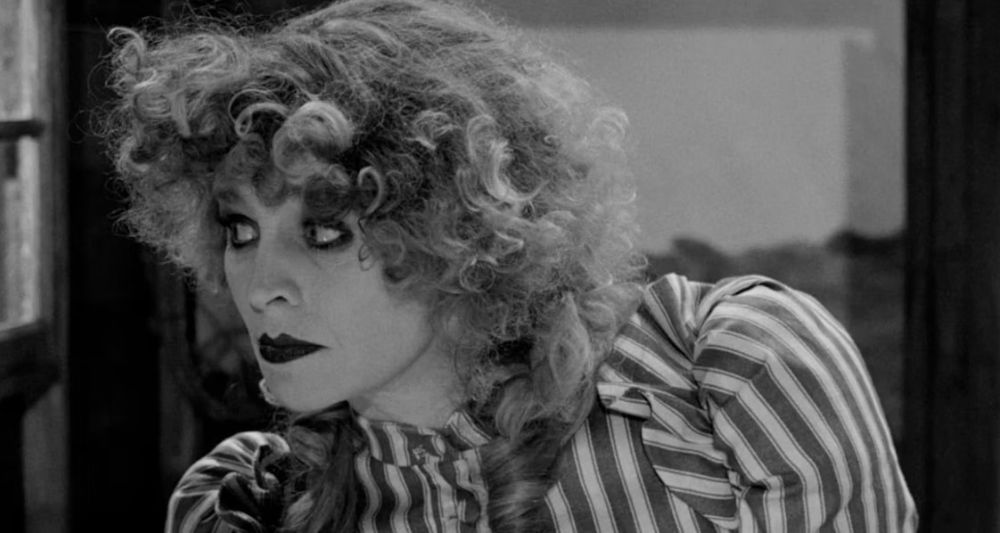
Sally Potter’s debut feature from 1983 emerges as a radical feminist experiment combining avant-garde cinema with Marxist theory and post-punk aesthetics. Shot in stark black and white by cinematographer Babette Mangolte, the film follows two women—intellectual Celeste and shapeshifter Ruby—across Icelandic tundra and industrial British landscapes while solving philosophical riddles about desire, labour, and capital. Potter constructs her work as a deconstructionist anti-musical through Brechtian episodes and surreal sequences, deliberately rejecting linear narrative to explore feminine subjectivity. Emerging from the London Film-Makers’ Co-op and BFI-supported independent filmmaking during Thatcher’s era, the film provocatively mingles film theory regarding the male gaze with anti-capitalist satire. Contemporary critics dismissed it as esoteric and difficult; Potter’s determination to challenge mainstream conventions through formal experimentation and theoretical rigour proved foundational to her artistic practice. The film represents a crucial moment in British avant-garde cinema’s political and aesthetic ambitions.
Original article published on Senses of Cinema — AI-generated summary. Visit the website to read the full article at the source.