mital-U — The Persistence of Memory
Thirty years of mital-U: Bruno W., founder of the Swiss label and of mittageisen, in conversation
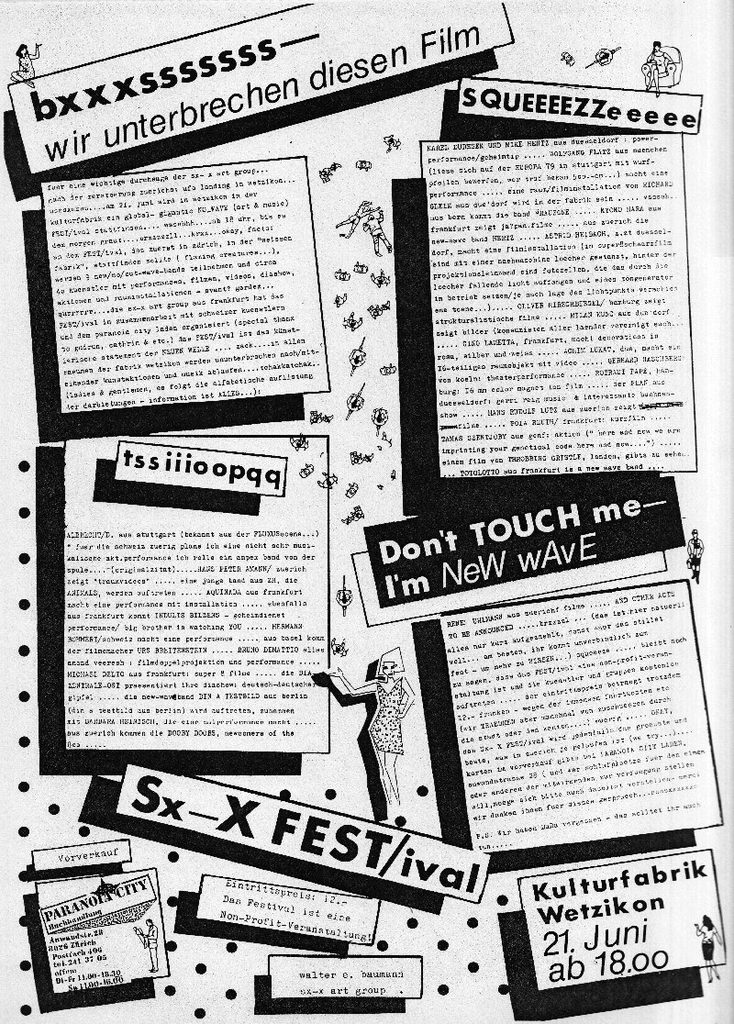
On 21 June 1979, at the Sx-X festival in Wetzikon, a small town outside Zurich, Bruno W. heard Grauzone play “Eisbär” for the first time. The band had formed that year. Released on a compilation in 1980, the song made them known across the German-speaking world. By 1982, Grauzone had split. Martin Eicher, who wrote most of their songs, had refused to give in to commercial pressure: no television, no interviews.
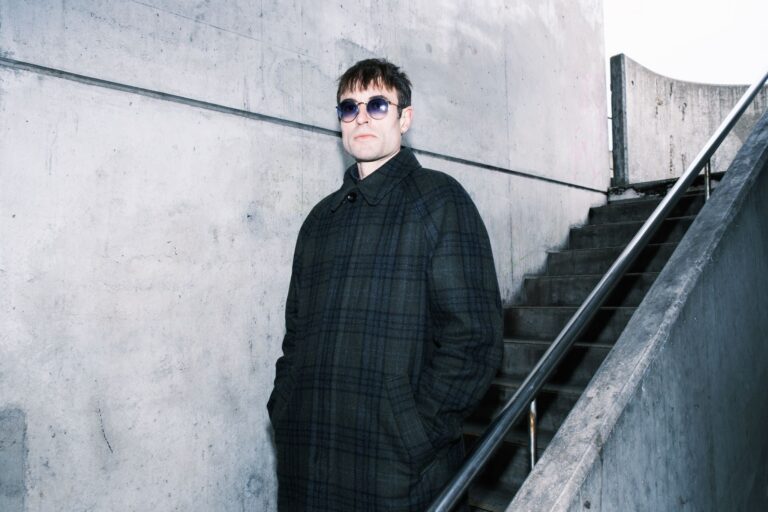
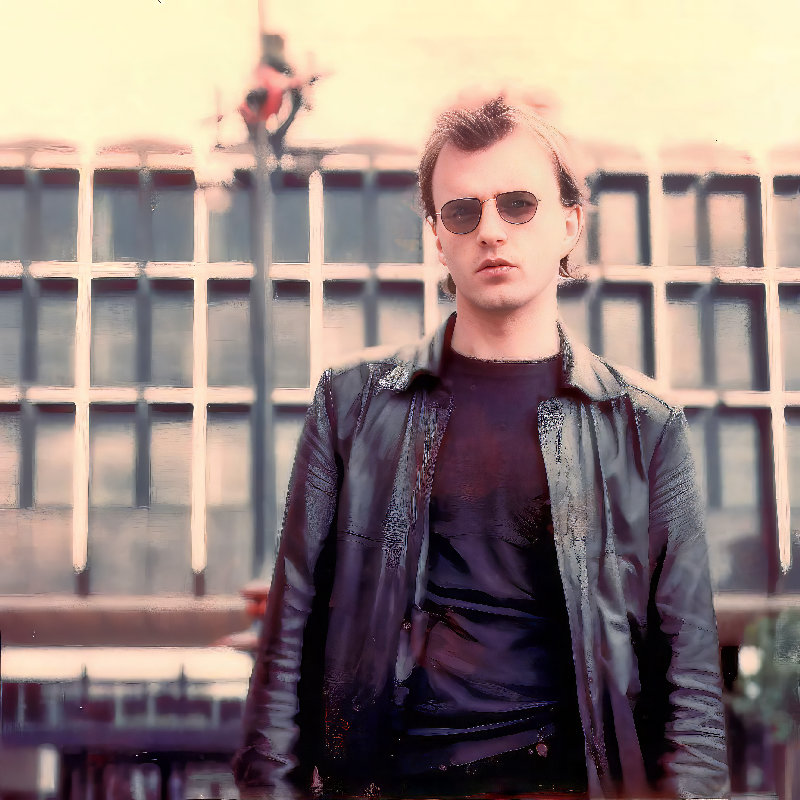
Bruno W. was there as a fanzine writer and a regular at the gigs, and from 1981 on stage: he founded mittageisen, playing synthesizer, singing and programming the rhythm until the band split in 1986. The name came from a photomontage by John Heartfield, the Berlin Dadaist whom Siouxsie and the Banshees had saluted in 1979 with their single “Mittageisen”. As mital-U turns thirty, Bruno W. keeps what that scene left behind, his own band included. The label reissues Swiss post-punk only with the musicians’ agreement and gives them a say in the result: Grauzone, mittageisen and The Vyllies, among others. It restores old videos, commissions new ones, and has moved into film, with documentaries on Poly Styrene and Wire.
Then there is the video for mittageisen’s “persistance de la mémoire”: a concert from 1982–83, rebuilt with AI exclusively from published photographs, and declared as such. Bruno W. was on that stage. The song shares its title with Dalí’s painting of melting clocks. For a label built on fidelity to the past, it raises the most open question of all.
We asked Bruno W. about a small country with four languages, the price of a hit, and where an archive goes once it has been saved.
Interview
1. Swiss post-punk bands had a small home market, three languages, and Germany next door. What did that situation make possible for them — and what did it make impossible?
There are actually four languages: Swiss variants of German, French and Italian, plus Romansh. However, the regional dialects are often difficult for non-residents to understand – Swiss German, for example, is hard for people from Germany to grasp.
Due to Switzerland’s population size (around 8 million) and linguistic diversity, the domestic market is relatively small. For this reason, and because ‘no one is a prophet in their own land’, international exposure and recognition are very important for artists. This means that, for most, focusing not only on the domestic market is a necessity right from the start. For example, the following SwissWave (post-punk) bands have enjoyed success abroad: Kleenex/Liliput (UK), Grauzone (DE+AT), Yello (US), mittageisen (DE+NL), The Vyllies (GR), The Young Gods (UK), Stephan Eicher (FR).
2. Where were you when this music was first being made, and how does that shape the way you look after it today?
I discovered punk and post-punk through fanzines, radio shows and concerts. I lived in a suburb of Zurich from 1976 to 1981, with stays of several weeks in London (1978) and Berlin (1980). On my return from London, I began writing for fanzines and attending various (post-)punk concerts.
At a Siouxsie & the Banshees concert in July 1979, I met members of the punk band CRAZY, which led to the production of the first independent Swiss punk LP. Various musical styles emerged from punk, and I veered off towards post-punk and new wave. Bands such as Siouxsie & the Banshees, Joy Division, Wire, PIL, the Human League, Cabaret Voltaire and Suicide showed me the way.
3. You only reissue records with the bands’ agreement. What does that mean in practice? Has a band ever said no, or changed the way a reissue turned out?
As well as the general consent of a band (performers, songwriters) to a release, this primarily means having a say in the production (song selection, mastering) of the record, cover and booklet. In addition, the copyright to the songs always remains with the authors/songwriters. mital-U retains the (c)+(p) rights for the respective production/release.
Of course, there are also instances where bands turn down offers, mostly because they were or are legally bound by other contracts.
mital-U is primarily an independent record label for people who prefer alternative and independently produced music. The primary focus is not on commercial success, but on the release of alternative sounds (vinyl, CDs, downloads/streaming) and visions (videos, films). Ideally, the proceeds from a production not only cover the costs but also help to co-finance further productions.
4. “Eisbär” has had a life of its own since 1981, far beyond Grauzone. How did the band feel about that song — and how did you approach it when you made its first official video?
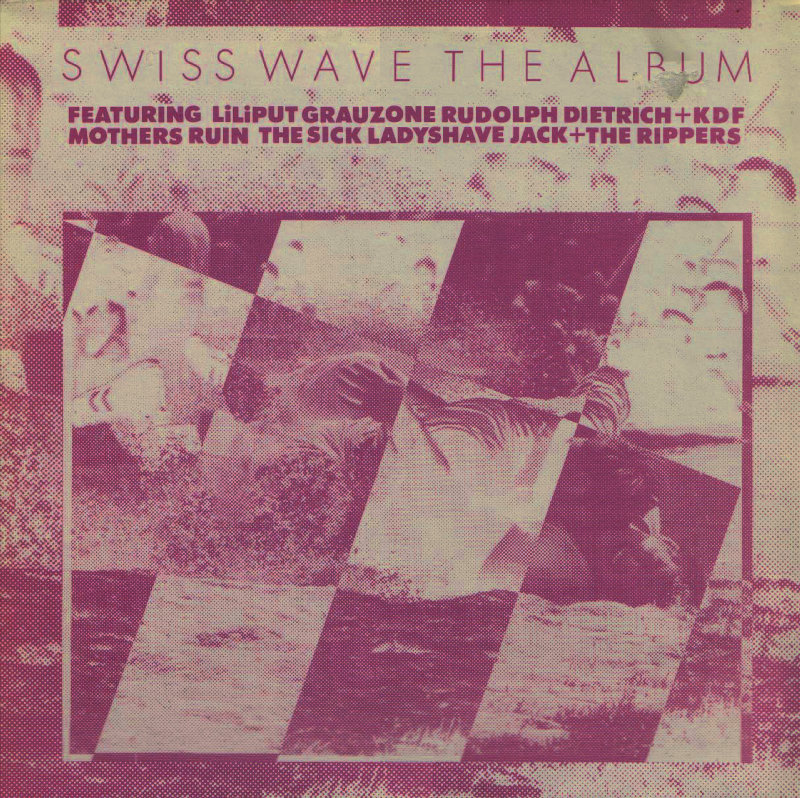
I already knew some of the musicians from GRAUZONE before the band was formed, as they were members of the punk band GLUEAMS. From 1979 onwards, I attended several GRAUZONE concerts and heard the song ‘EISBAER’ for the first time on 21 June 1979 at the Sx-X FEST/ival in Wetzikon (ZH). The song was released half a year later on the compilation album ‘SWISS WAVE – THE ALBUM’. As a result, GRAUZONE secured a record deal with EMI-ELECTROLA Germany, which released an LP featuring 10 tracks, though without ‘EISBAER’.
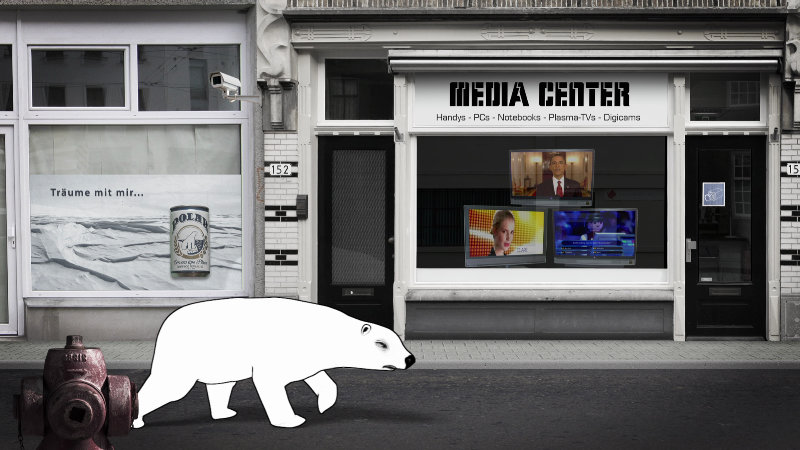
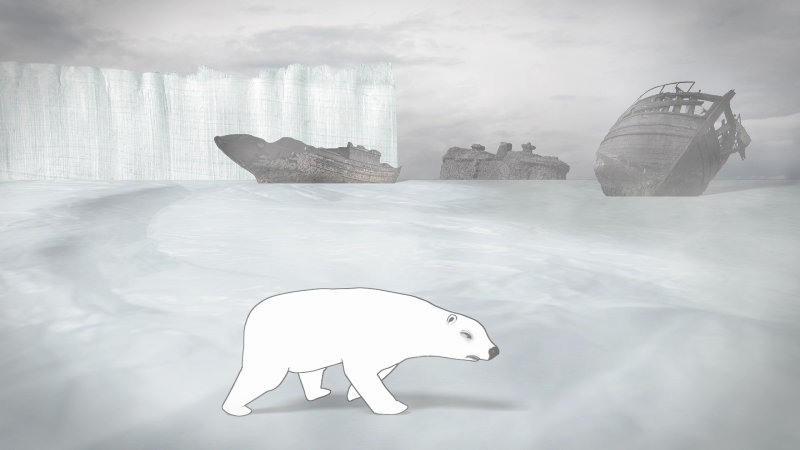
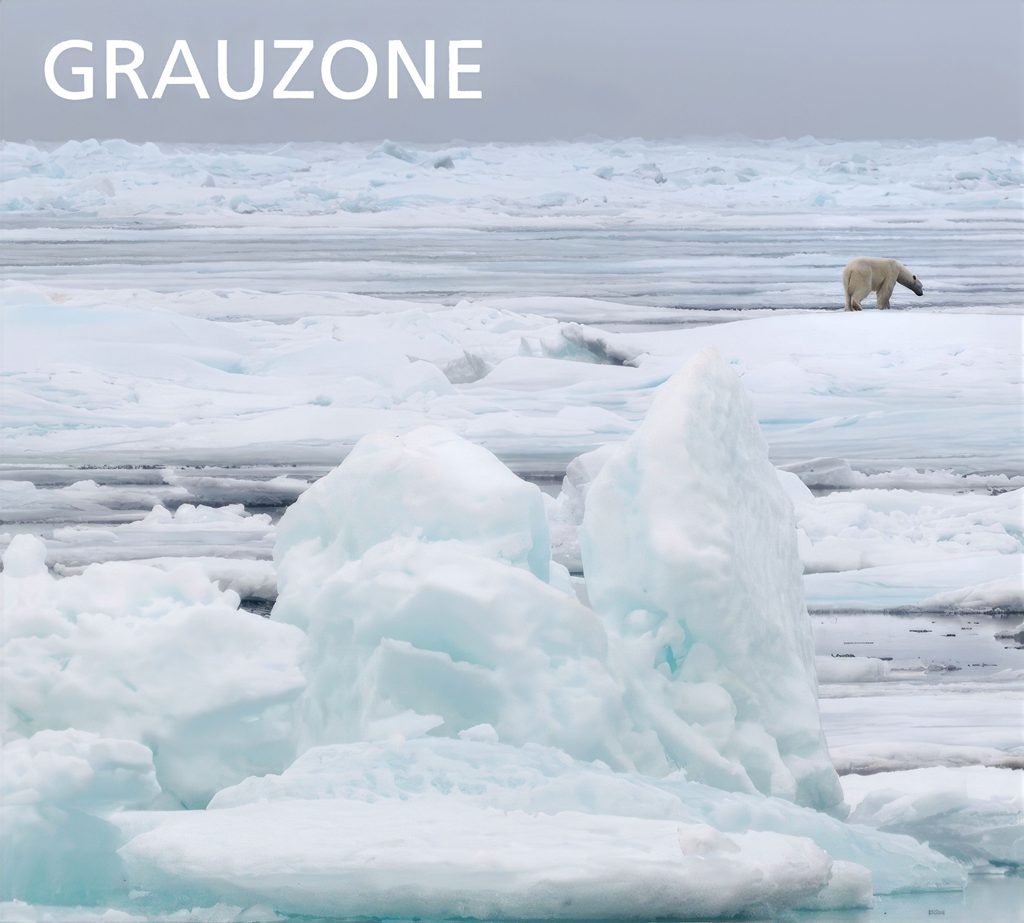
Following the release of the 2CD set featuring 21 digitally remastered tracks, some of which were previously unreleased, we produced and released the video for ‘EISBAER / POLAR BEAR’ in 2011 in consultation with Martin Eicher (GRAUZONE’s principal songwriter and composer). The video was created by KALKATTAK (Cologne, Germany) and illustrates that a polar bear’s attempt to escape the dreariness of its existence is doomed to failure. The escape to supposedly paradisiacal conditions (the unspoilt Arctic, the city as a place of culture and communication) is portrayed as an illusory utopia.
5. Grauzone’s EMI album came out without “Eisbär”. Why was the song left off — and how did the band themselves feel about it becoming their best-known song?
The song ‘EISBAER’ was originally recorded in 1980 for the compilation album ‘SWISS WAVE – THE ALBUM’. The song was re-released as a 7″ single in 1981, coinciding with the release of the GRAUZONE album. The B-side featured another track not included on the LP, ‘ICH LIEB SIE’. You can find out more at https://mital-u.ch/grauzone-band/music/?lang=en. At that time, it was not uncommon to release singles and albums featuring different songs. For example, “Hong Kong Garden” and the debut album “The Scream” by Siouxsie and the Banshees.
The unexpected success of EISBAER made the band known in German-speaking countries, but it was at the same time a burden, given the expectations of the record label and the fans. As a result, GRAUZONE — specifically Martin Eicher, the writer and composer of most of the songs — refused to give in to commercial pressure, which meant, among other things, no TV appearances or interviews. In the end, the band broke up the following year, in 1982.
6. When did mital-U start distributing music online, and what did that shift look like at the time?
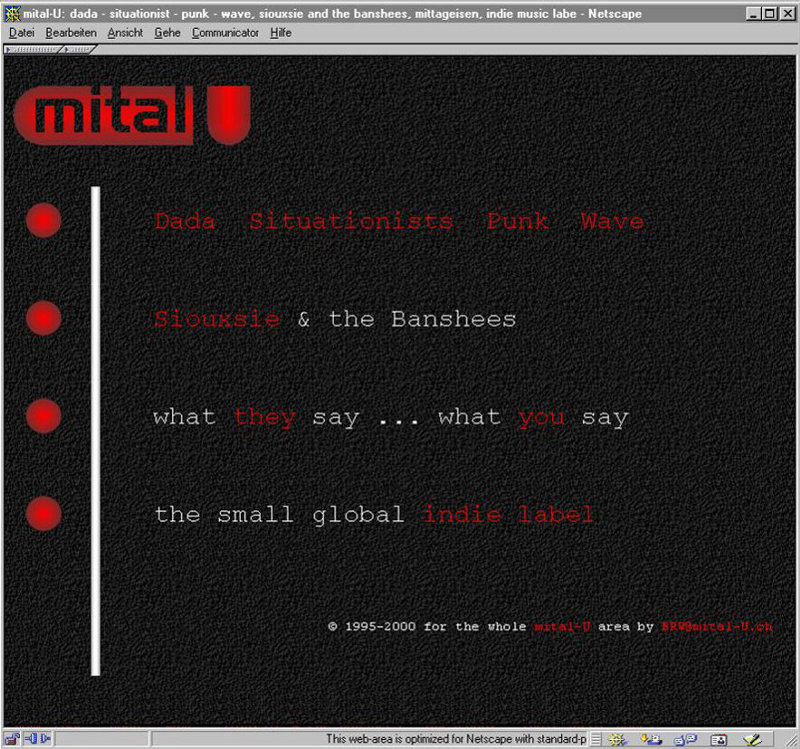
In 1995, I attended ‘ars electronica’ in Linz (AT) to present the computer-animated video for the mittageisen song ‘automaten’. Whilst there, I had the opportunity to discover the World Wide Web, which back then was still creative. After returning, I set up a website for mital-U, initially as a subdomain of a local provider, and from 1996 onwards under the domain mital-U.ch. It was a website featuring information on ‘Dada – Situationist’ and ‘Punk – Wave’, as well as on the ‘small global indie label mital-U’.
It also included an online shop – which, by today’s standards, was rather rudimentary – for vinyl and CDs, as well as downloads of individual songs as RealAudio, WAVE, AU and AIFF files. The MP3 format had not yet become established.
7. How did mital-U come to work on the documentaries about Poly Styrene and Wire?
In the case of the film ‘Poly Styrene: I Am a Cliché’, a friend drew my attention to the crowdfunding campaign. This put me in contact with Paul Sng, who directed the film together with Celeste Bell, Poly Styrene’s daughter. This resulted in relevant financial support for the film as one of several ‘Executive Producers’.
Following this, we became aware of the ‘WIRE – PEOPLE IN A FILM’ project. This led to a close collaboration between the director, Malcolm Boyle (Underground Head Film), and Bruno W (mital-U) to bring the film to fruition. I will support the film as ‘Senior Executive Producer’, and mital-U will collaborate with ‘Underground Head Film’ on the production and promotion of the film. Further information can be found at https://mital-u.ch/wirefilm/?lang=en
8. Poly Styrene, Wire: your documentary work goes well beyond Switzerland. Much of the Swiss archive is now restored. Where does mital-U go from here — and who will look after this archive in the long run?
The fact that we mainly release Swiss bands stems from our philosophy, namely that trust – based on personal contacts – is essential for a successful collaboration. This is not least because many artists and bands have had negative experiences with record companies.
Today, as releasing music via relevant online platforms is relatively straightforward, we are increasingly focusing on video and visual music documentation within the post-punk scene. Nevertheless, individual music projects remain relevant to mital-U.
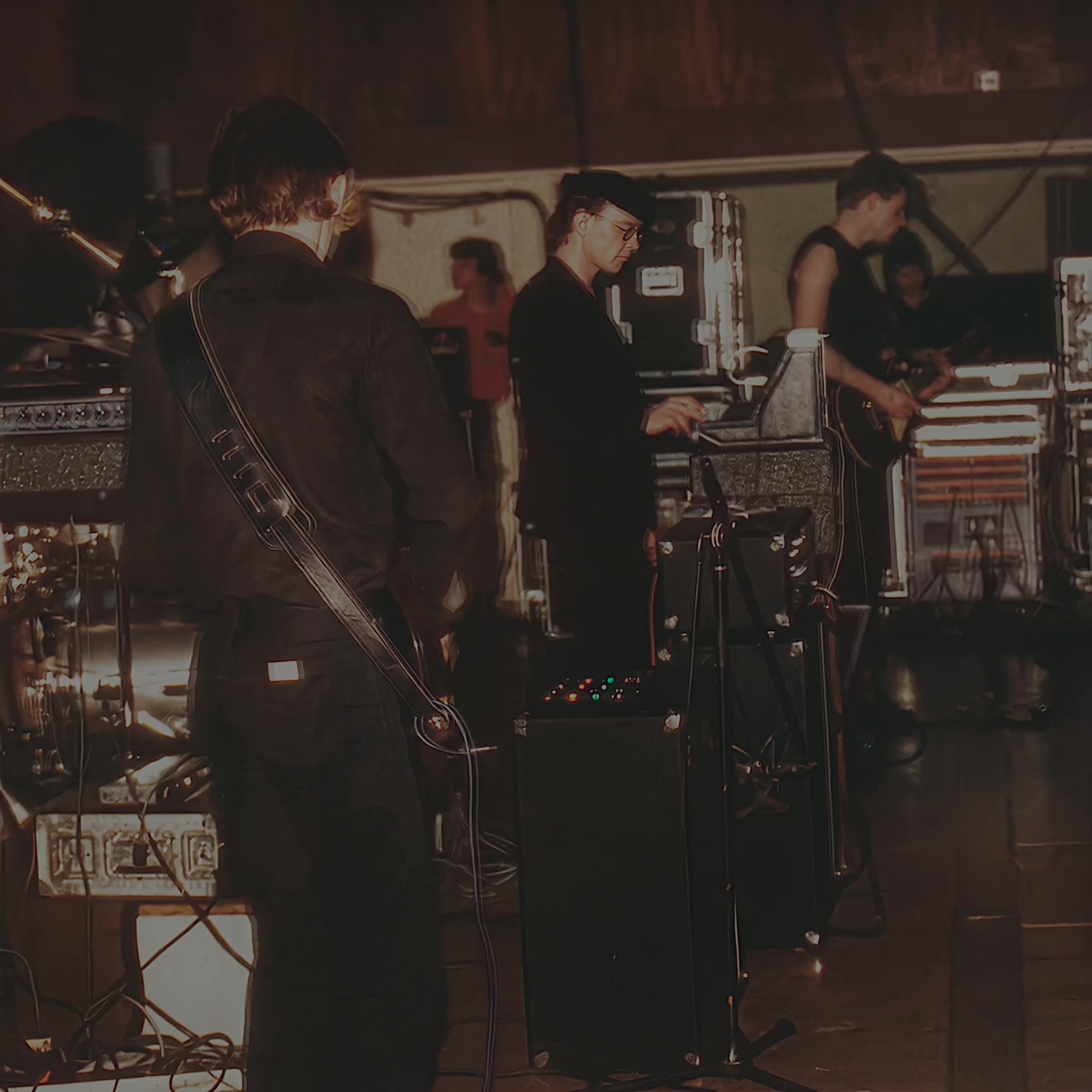
In the creative sector in particular, technological developments continually open up new possibilities. In the 1980s, these included synthesisers, drum machines and samplers; today, AI is increasingly being used in audio, image and video editing. For example, based on band photos – in compliance with legal requirements and with AI labelling – we have created an AI-generated ‘live video’ from 1982/83 for the song ‘persistance de la mémoire’ by mittageisen (https://youtube.com/shorts/H6xrO3qKtbw).
9. The AI-generated “live video” for “persistance de la mémoire” is fascinating: an archive of a concert that was never filmed. Where do you draw the line between restoring the past and inventing it? And how did mittageisen react?
We created the AI-generated video exclusively from previously published photographs of two live concerts and a promotional photoshoot from 1982–1983. Along with releasing the video, we declared that it was AI-generated.
The reaction from former band members varied. Some responded very positively to the video. They liked it and were fascinated by the technical possibilities. Others didn’t care because, for them, the ‘mittageisen’ chapter is closed.
The most positive feedback came from the band’s loyal fans, who were given a glimpse into their own musical past.
Other Voices — the newsletter
Get the best of coldwave and post-punk in your inbox, once a month. No noise, no spam.
Links
- Website: mital-u.ch/4u/
- mital-U productions: mital-u.ch/catalogue
- Spotify: open.spotify.com/user/mital-u
- Instagram: instagram.com/mitalu_indielabel
- YouTube: youtube.com/@mital-U_TV
- Bandcamp: mev2.bandcamp.com
Text © Ian Joy / Catastrophe Ballet, licensed under CC BY-NC 4.0.