Broken Ground: The Fall of the House of Usher (1928)
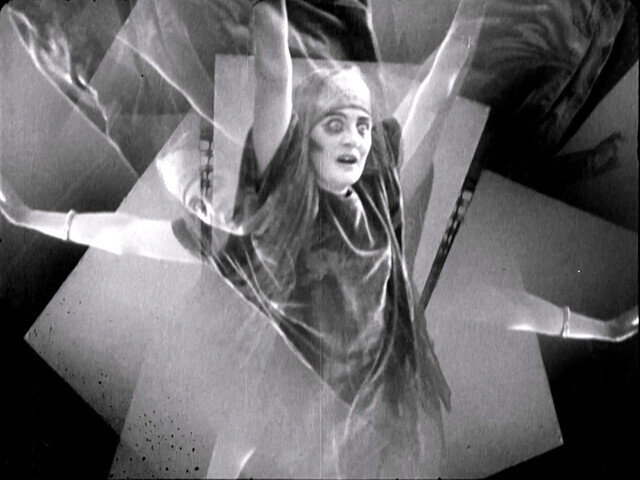
This essay examines the 1928 avant-garde film adaptation of Edgar Allan Poe’s 1839 Gothic short story by James Sibley Watson Jr. and Melville Weber. Shot in Rochester, New York in 1926 with minimal resources and an amateur cast, the thirteen-minute experimental film abandons literal narrative in favor of evoking Poe’s claustrophobic atmosphere through expressionistic visuals and minimal dialogue. The filmmakers prioritized psychological horror and formal innovation over conventional storytelling, using disembodied gloved hands, stylized makeup, and distorted typography to create an unsettling dreamlike quality. The production represents an early example of American avant-garde cinema, transforming Poe’s tale of madness, premature burial, and familial horror into a purely visceral cinematic experience that captures the opium-induced reverie and gothic dread central to the original text.
Original article published on Public Domain Review — AI-generated summary.