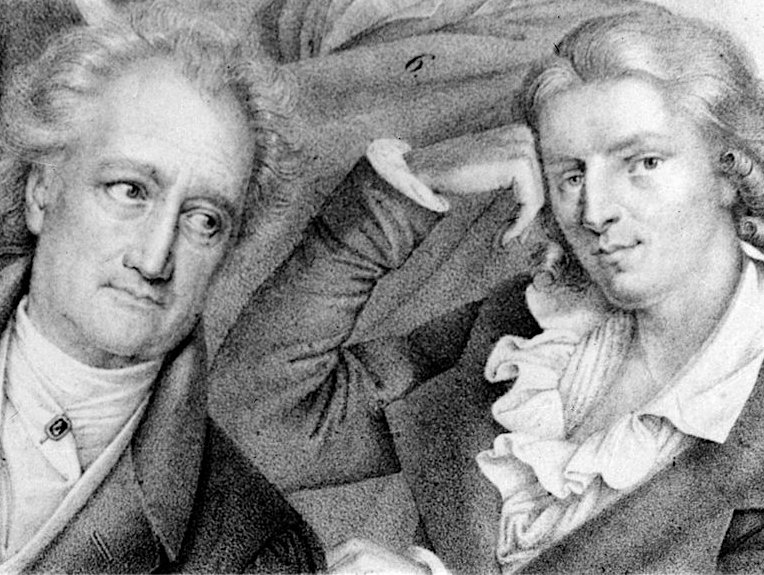
“Wretches, Speak Evil of Me”: Goethe and Schiller’s Xenions (1896 edition)
This essay examines Goethe and Schiller’s Xenions, a collection of 675 classical distichs published in Schiller’s Musen-Almanach in 1797. Inspired by Roman epigrammatist Martial’s hostile epigrams, the two German Romantic giants collaborated to respond systematically to their critics and enemies. The work targets various adversaries, some named directly, others indicated by initials, including publisher Christoph Friedrich Nicolai, defender of Enlightenment rationalism who had satirized Goethe’s Sorrows of Young Werther in 1775. Beyond mere insults, the Xenions contain sincere reflections on Romanticism’s artistic and moral dimensions. The essay discusses Paul Carus’s 1896 English translation, which selectively presents the work, omitting pieces deemed transitory. This elaborate literary attack demonstrates that personal disputes among writers transcend historical periods, revealing that even canonical figures engaged in petty professional conflicts rather than lofty intellectual pursuits alone.
Original article published on Public Domain Review — AI-generated summary.