The Crack We Hadn’t Seen
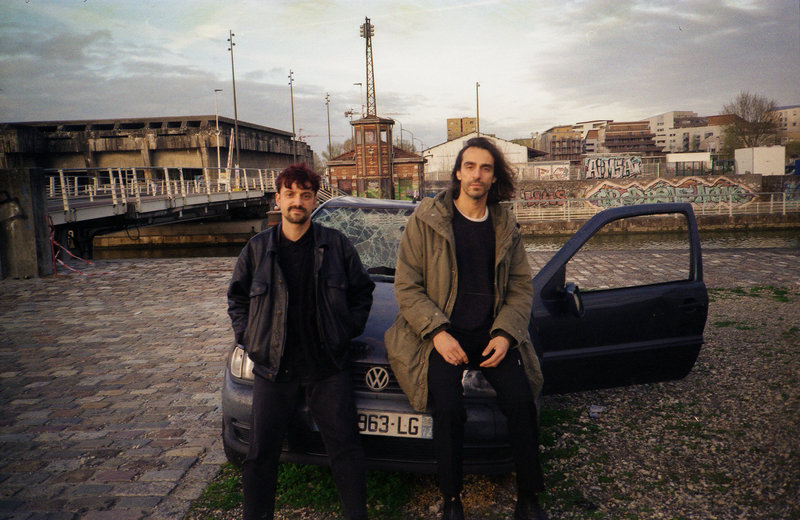
Leroy Se Meurt have spent seven years on labels devoted to salvaging the past. Their second album says history repeats — and refuses to accept it.
It started with one track. In 2018, a compilation called The Great In The Small came out on Gooiland Elektro — two hundred copies, an A4 insert, four artists.
On the B-side sat a piece called “So Are Venom!”, credited to Vitriol, the solo project of a musician named Mathieu. That single track remains, to this day, the whole of Vitriol’s discography. But it opened a door: Gooiland is the dancefloor arm of Enfant Terrible, and the label had been good to him. So when Mathieu and Volkan started something new in Paris that same year, they knew where to knock.
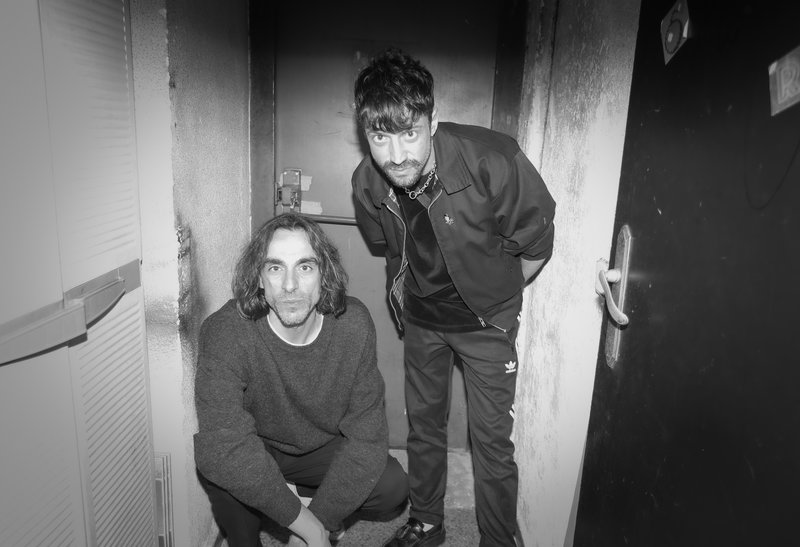
Four numbers later in the same catalogue, LRSM appeared. Leroy Se Meurt existed.
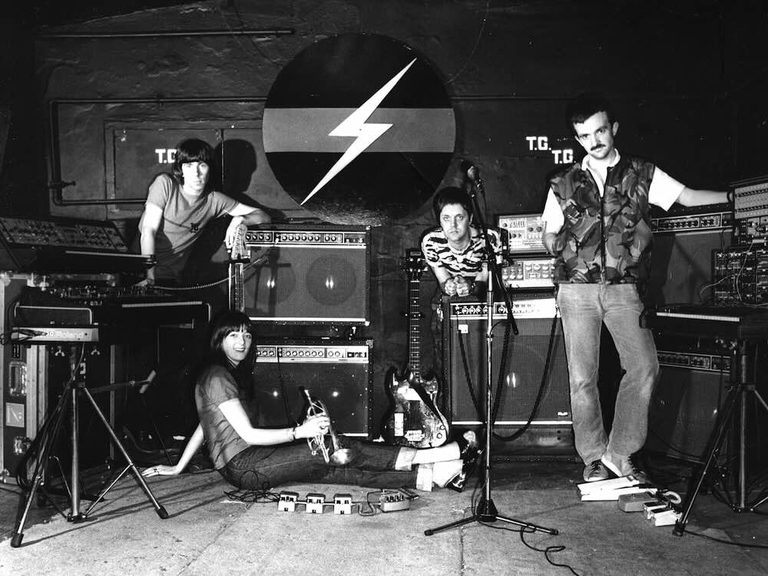
What follows reads less like a career than a lineage. Two twelve-inches on Gooiland Elektro, then Makine Kültürü on the Swiss label Lux Rec, then two albums for Mannequin in Berlin — Voué à Rouiller in 2023 and Hier Pour Toujours in 2025. Three countries, four imprints, and a single aesthetic family. Enfant Terrible was among the first labels anywhere to take the DIY electronic underground of the early eighties seriously, to treat minimal synth and electronic post-punk as a canon worth assembling. Mannequin has been spreading cold waves since 2008. These are houses in the business of recovering something. The duo who signed to them are not.
That distinction matters, because Leroy Se Meurt are careful about what they will and won’t claim. Ask them about EBM — the genre their drum machines and shouted refrains keep getting filed under — and they decline the label while accepting the debt. Front 242 and the wider Belgian electronic scene are, they say, a major part of their musical culture; but they don’t consider themselves to have fully embraced the style.
Inheriting is not the same as belonging.
It’s an unusually precise position for a band to hold, and it survives contact with the records: across seven years, the sound has stayed remarkably itself. Electro-punk, with the machinery of EBM and the chill of cold wave running underneath, and no visible interest in mutating to suit whichever label happens to be pressing it.
Hier Pour Toujours takes that steadiness and turns it into a subject. The album is built on the oldest image of futility there is — the rock that always rolls back down the mountain — and the duo are explicit that this is the point: we make the same mistakes, we fall into the same traps, the ground keeps giving way in the same places. Which would be a straightforward record of despair, except that they refuse to write one. Somewhere on the next circuit, they insist, there’s a crack nobody spotted the first time round. It’s a strange and rather moving position for a band whose entire professional life has unfolded among archivists, in a scene that spends much of its energy looking backwards. They know exactly how repetition works. They decline to be governed by it.
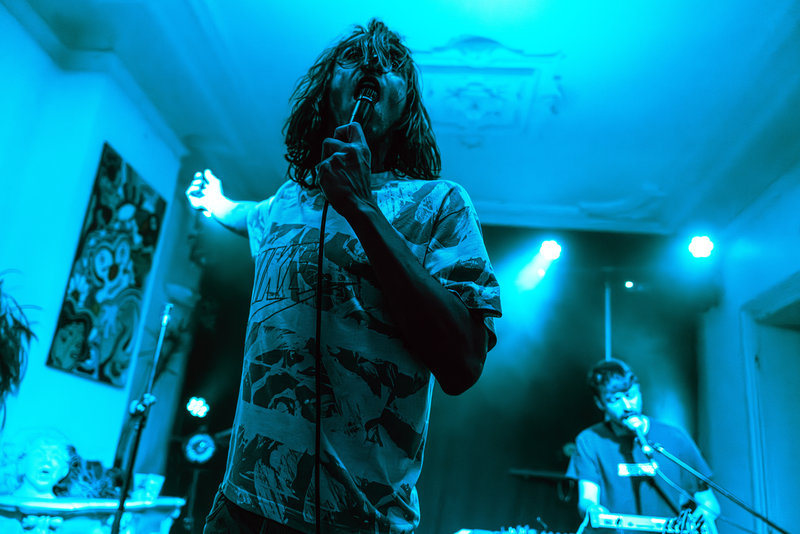
They bring all this to Brussels twice this autumn:
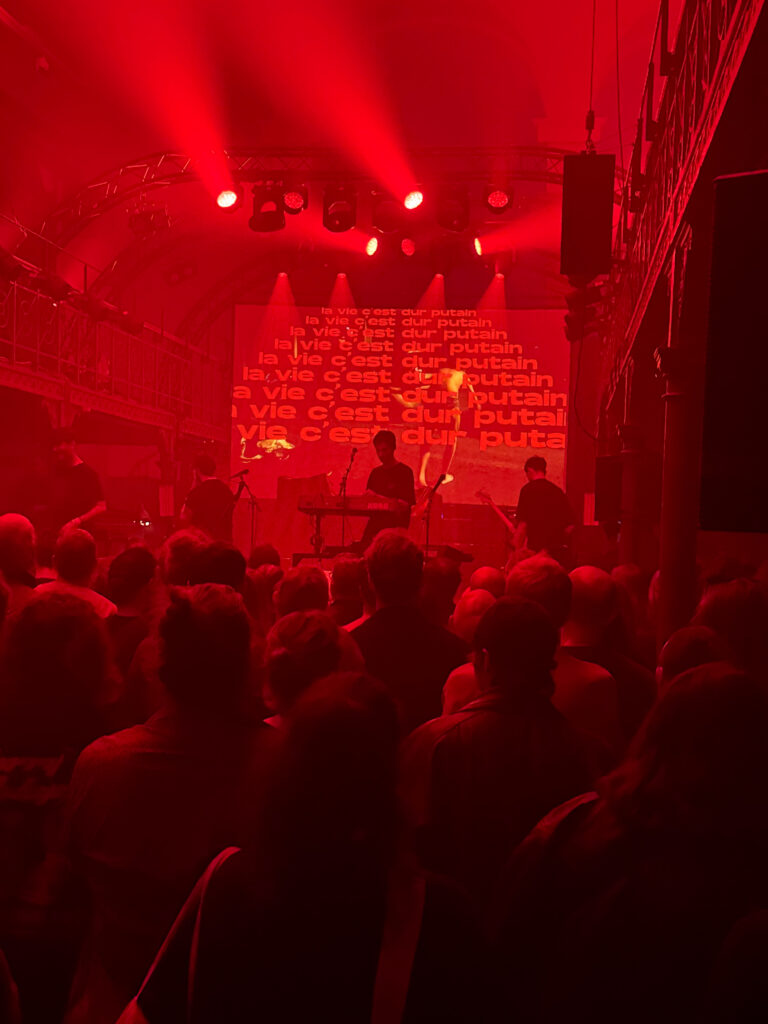
– to Madame Moustache on 3 September, on a bill assembled by Froe Char alongside Ottoman Grüw
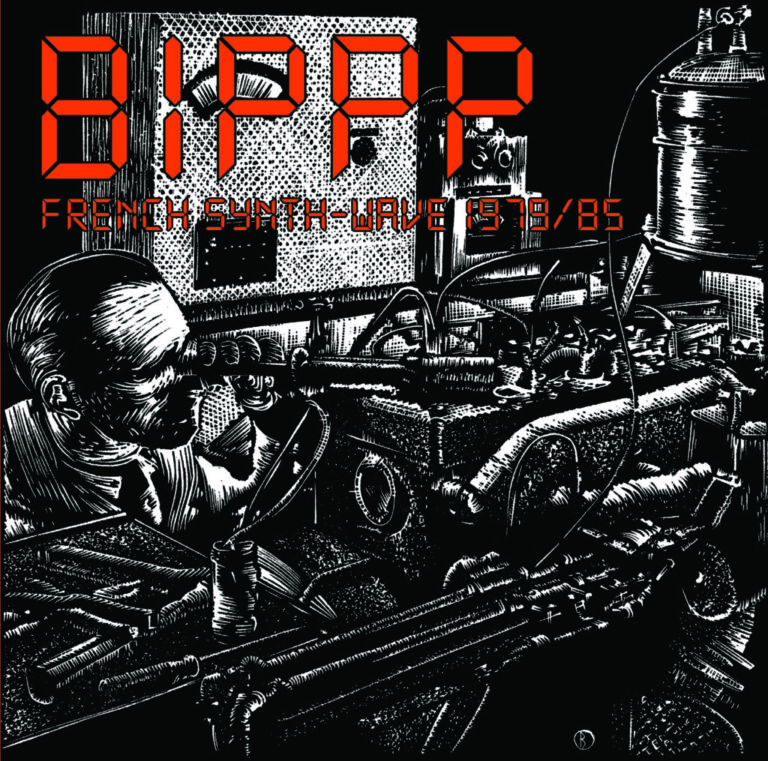
– to Le Botanique on 11 October for Born Bad Records’ twentieth birthday — a label that, alongside its rock and roll, built the BIPPP compilations and did for French minimal synth roughly what Enfant Terrible did for the Dutch and Belgian variety.
A Paris duo who won’t be called EBM, arriving in one of the cities where EBM was made, invited by another archive-keeper, into a scene that books itself. There are worse ways to spend an evening.
You’re playing Brussels twice this autumn, in one of the cities where EBM was invented. Does that heritage matter to you, or is it a lineage other people assign you from outside?
Yes, absolutely, it matters enormously. EBM — and where Belgium is concerned, mainly Front 242 — is an important part of our musical culture. We don’t really consider that we fully embrace the style in our own music, but there are a lot of elements inherited from that scene, or more broadly from the Belgian electronic scene. There’s always something very simple but more violent about what happens when you leave Belgians behind machines or decks. That’s something we often look for in Leroy: simple, powerful tracks that give off a liberating energy. Every time we play here we’re not disappointed — people get it, they join in, they’re all in, and it carries us on stage.
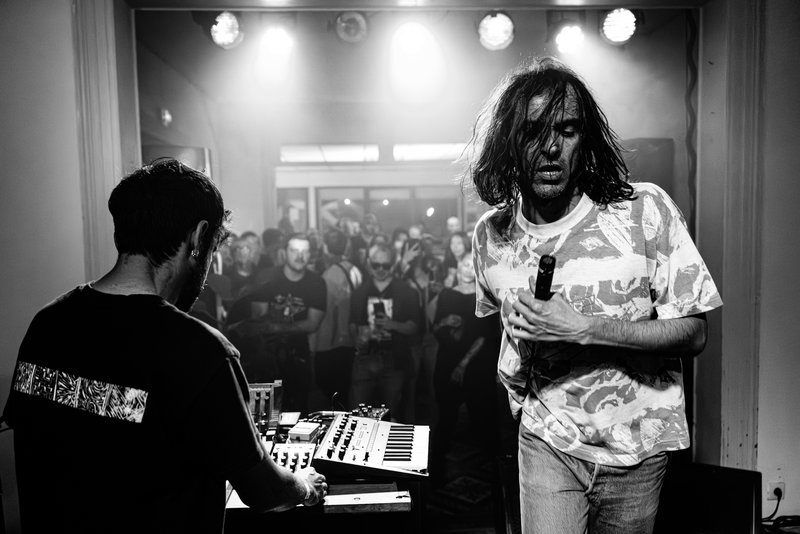
You sing in French and in Turkish. What does each language let you do that the other doesn’t? And does Turkish connect you to particular scenes, places or people?
It’s largely a question of feeling that guides the choice of language. There’s no real rule and it’s probably arbitrary, but we often know in advance which language we’re going to use. From there it sets a framework. Clearly, when we work in French, we can both contribute to the lyrics and we know a larger part of our audience will understand them, so we might push harder for a catchy chorus or a well-turned line. When we work in Turkish it’s quite interesting to use a language you don’t hear much in our style, to make something very musical, almost like sound poetry. Sometimes we find that depending on the melody and the intention in the voice, something is genuinely singable by someone who doesn’t speak the language at all.
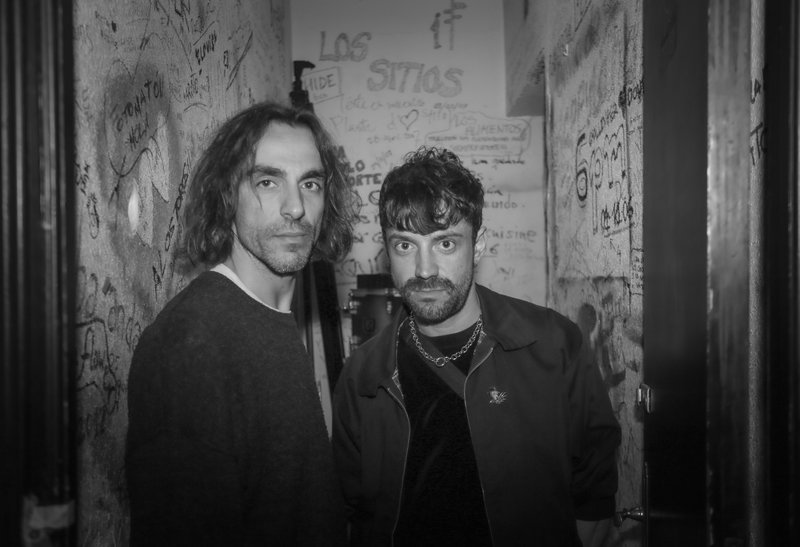
Your records have moved from label to label: Enfant Terrible and Gooiland Elektro at the start, then Lux Rec, then Mannequin for both albums. How did those meetings happen, and did each one change anything about the way you work?
Mathieu was already in contact with Enfant Terrible after a release by his solo project on one of the label’s compilations, and he was very happy with how it had gone. When we started Leroy it was naturally the first person we approached. We made two records there before going to Lux Rec, particularly because it’s a label we’ve always followed and whose work we like a lot. With Mannequin it’s slightly different — we wanted to move to album format and we were looking for wider distribution. We got in touch with Mannequin and things fell into place naturally. It’s mostly a matter of opportunity and aesthetic choices that steer us towards labels, so it influences our music and it partly shapes the final object, but we’re still largely free to do whatever we want without thinking too much about how a label boss will receive it.
Hier Pour Toujours is presented as a record about history repeating itself, while refusing to give up the idea that something remains on the other side. How did you end up making that particular album, two years after the first?
You’ve summed the record up well: once you’ve carried the rock to the top of the mountain, it systematically rolls back down. We tirelessly make the same mistakes and fall into the same traps. It’s a fairly dispiriting observation, but we’re both optimistic people, and even knowing that everything always starts over, we want to believe we’re not condemned — that somewhere there’s a crack we hadn’t seen the first time, that we’ll discover on the next lap, and that will let us bend the course of things slightly. It was probably better before, sixty years ago when fascism wasn’t resurgent, but if you’re a woman you have far more of a say today. And honestly, writing one more record to say that everything is shit — we’re not capable of that. It’s too easy to wallow in something entirely black.
Credits
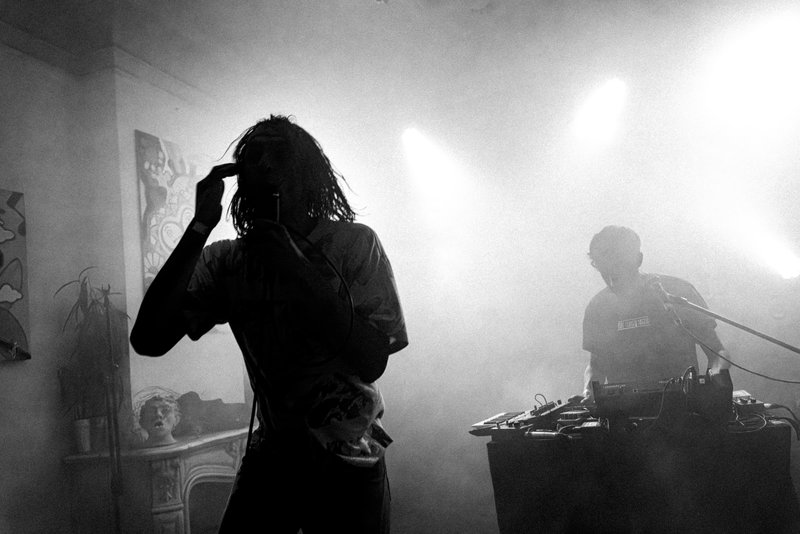
Photographs: Cristina Del Barco & Louis Waterlot
Interview conducted in French by email, August 2026.
Text © Ian Joy, licensed under CC BY-NC 4.0. Artwork and photographs reproduced by permission, all rights reserved to their respective holders.