The Diggers’ International
Born Bad turns twenty. The Brussels bill says more about the label than the rock catalogue does.
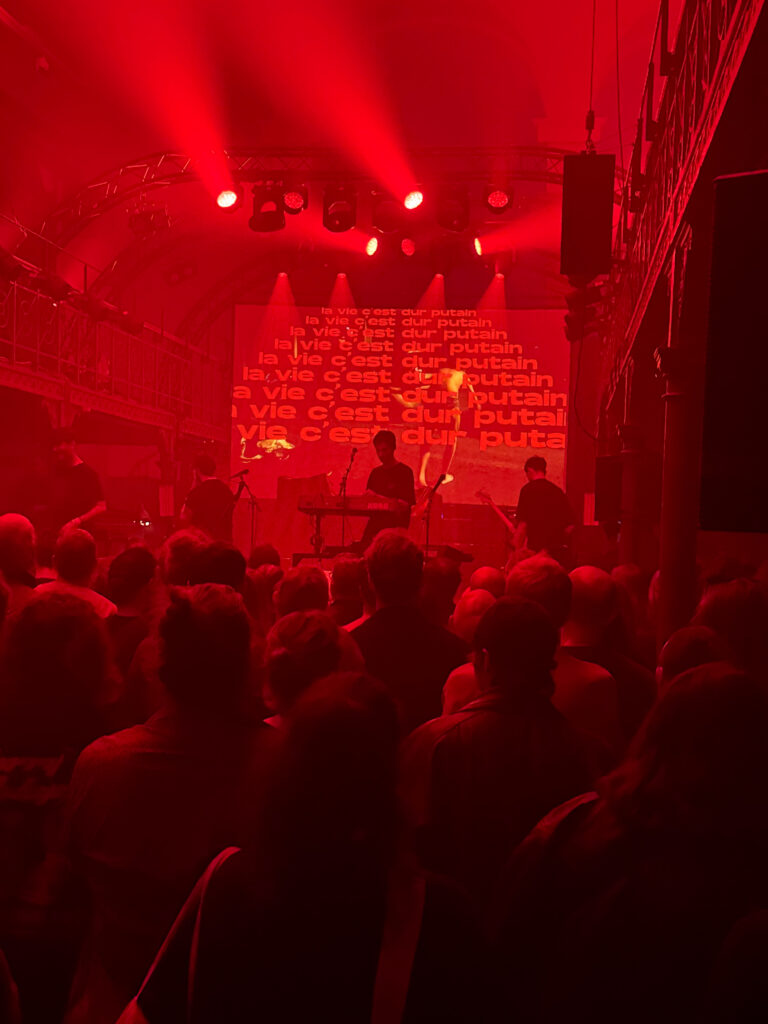
Look at what played Le Botanique on Sunday 11 October and the shape is strange. Frustration, veterans of Parisian post-punk, six albums deep, closing at half past eight. Zombie Zombie, analogue synths and motorik drums, closer to kraut than to anything with a guitar in it. Gwendoline, spoken French and cheap machines. And opening at five in the afternoon, Leroy Se Meurt, an electro-punk duo whose records have come out on Enfant Terrible, Lux Rec and Mannequin — three labels with no rock in them at all.
Born Bad Records calls itself a contemporary rock’n’roll label. Its founder Jean-Baptiste Guillot has said much the same in interviews for years, and the roster backs him up. So the bill was not a contradiction to be exposed. It was something more interesting: a label showing, on its twentieth birthday, which of its two trades it wants seen abroad.

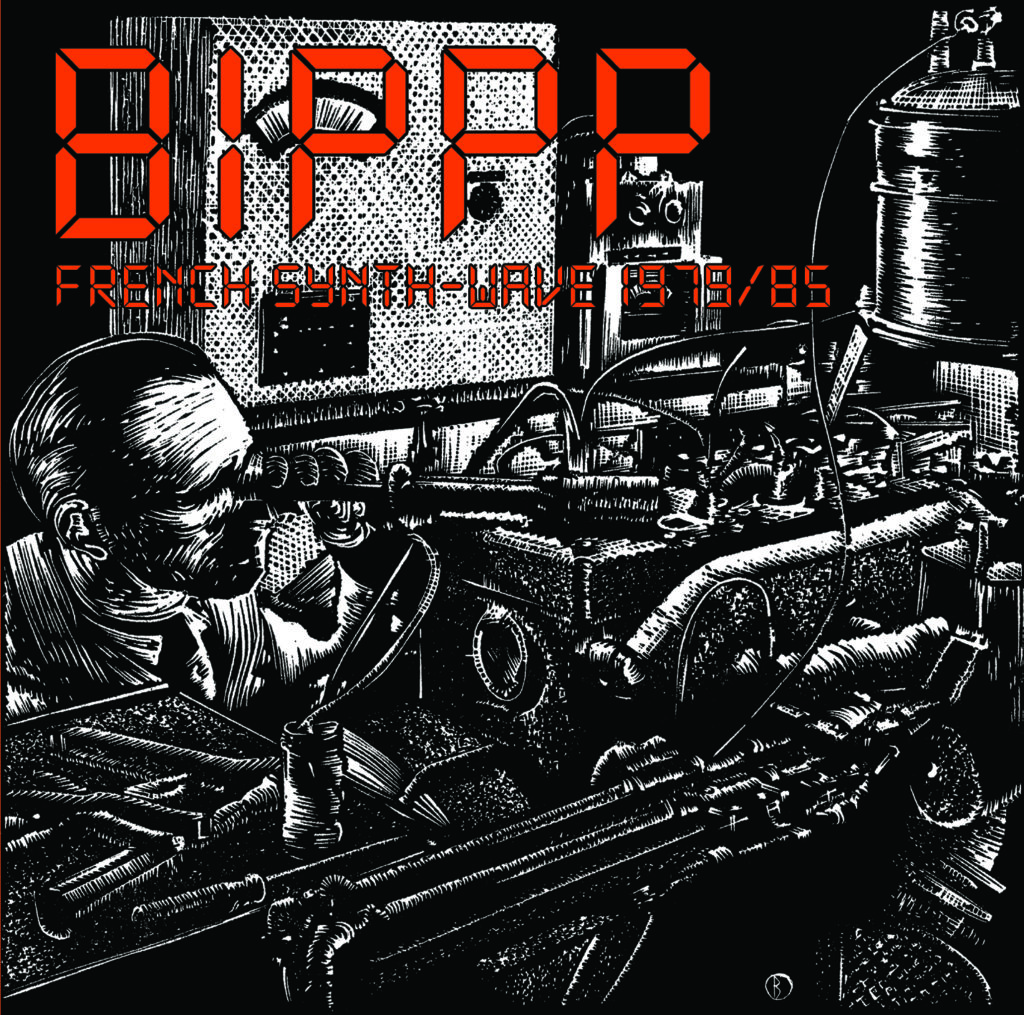
Because there have always been two. One signs and releases new French bands. The other digs. Since 2006 Born Bad has reissued and compiled French music that had fallen out of circulation entirely — Wizzz for sixties psych, Chébran for eighties boogie and electro-funk, and, the ones that matter here, BIPPP: French Synth-Wave 1979/85 and the three volumes of Des Jeunes Gens Mödernes, which Born Bad pressed to accompany agnès b.’s exhibitions on French post-punk, cold wave and culture novö between 1978 and 1983. Guillot has described the work as exhuming and rehabilitating, and as a way of claiming a lineage within French counterculture. The commercial logic he has been equally frank about: reissues give the label a release schedule it can plan around.
What that second trade produced is easy to underestimate now. Before BIPPP, French minimal synth of the late seventies and early eighties was scattered, unlisted, largely unlistened to. After it, there was a canon — a set of names a record shop could file, a reference point for bands who were not born when the original records came out. Guillot has said it took years before people absorbed it. They absorbed it. The cold, cheap, synthetic French underground that a generation of current bands treat as ancestry did not simply survive; it was assembled, sequenced and given a sleeve by a rock label in the eleventh arrondissement.
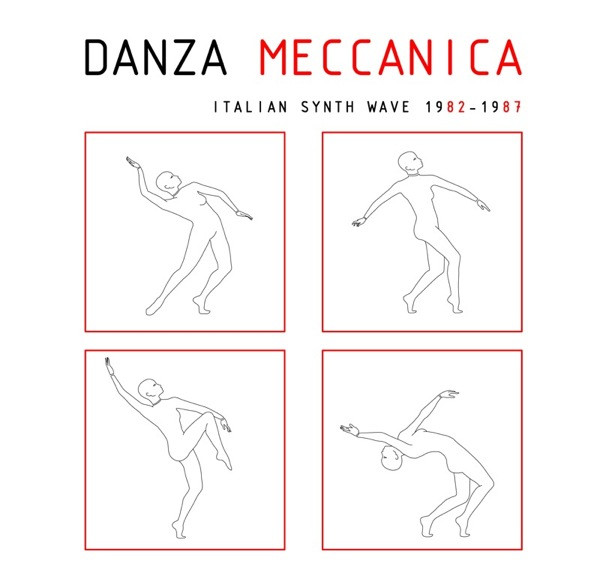
And here is what nobody has written down. Born Bad is not alone in this, and the company it keeps is not French. In the Netherlands, Enfant Terrible has since 2004 been among the first anywhere to take the DIY electronic underground of the early eighties seriously, treating minimal synth and electronic post-punk as a body of work worth assembling. In Berlin, Mannequin has been reissuing obscure European minimal synth, post-punk and industrial since 2008, beginning with Danza Meccanica, a compilation of Italian synth wave from 1982 to 1987. Three countries, three catalogues, one gesture: go back to the early eighties, find the electronic records nobody kept, make them legible again.
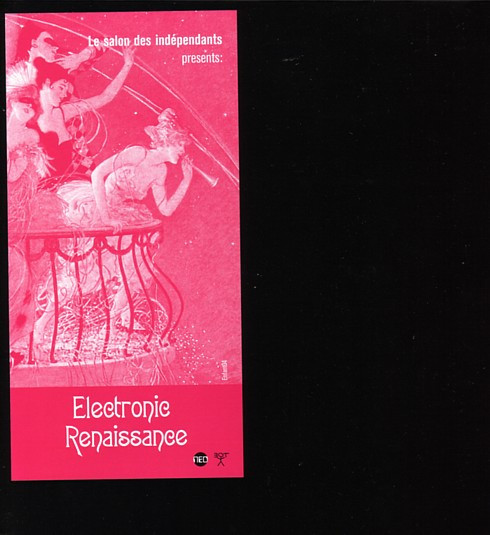
The resemblance should not be pushed too far. Born Bad digs across French music of every kind, from sixties chanson to eighties funk; Enfant Terrible and Mannequin are electronic almost exclusively. These are not the same project. But it is the same act, performed in parallel, by people who mostly do not appear in each other’s stories.
Which brings the bill back into focus. Leroy Se Meurt have released on Enfant Terrible’s Gooiland Elektro imprint, on Switzerland’s Lux Rec, and on Mannequin for both albums. Every label that has pressed their records belongs to that international of diggers. On Sunday night, Born Bad was not one of them. They were on the bill as guests, and they opened it. For one evening in Brussels, the network that has spent twenty years reassembling a lost electronic canon stood on the same stage as the bands it made audible again — and the point of contact was a duo who politely decline the genre everyone files them under.
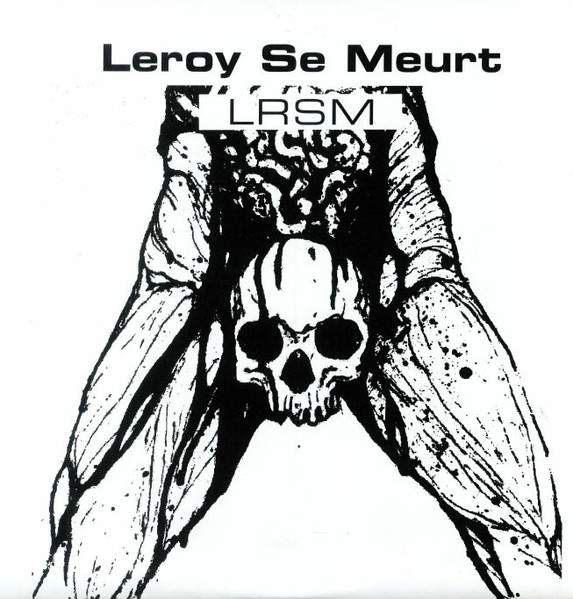
On the night, that point of contact played to a room still filling up. Leroy Se Meurt opened at five sharp — in the Musée, the Botanique’s exhibition hall, the Orangerie being closed for works — and a good part of the audience walked in too late to see them. Those who had turned up on time spent the rest of the evening telling the others what they had missed.
One last thing, and it is a question rather than a claim.
Brussels was not the birthday. The party was at the Théâtre du Châtelet in Paris on 3 October, six hours and eleven acts. What Brussels got was the export edition — four bands, a Sunday, doors at four. But Born Bad has done this before. The fifteenth-anniversary tour ran twelve dates across France and finished at Le Botanique in June: every other stop was French, Brussels alone was not. Twice now, the one city outside France has been this one.
Why? The simplest answer is language — Born Bad’s catalogue is explicitly, insistently French, and Brussels is the one large francophone city where it needs no translation. The dullest answer is habit: the venue worked once, so it worked again. The most flattering answer, and the least supported, is the scene — Brussels as a capital of cold electronics, a room that already knows what these records are. Le Botanique itself files the evening under post-punk, indie and dark wave.
The question has gone to the label; nothing has come back. Until something does, all three remain open — and a Paris label spent its twentieth birthday in a Belgian botanical garden for reasons it has not explained.
Sleeve images reproduced for the purposes of criticism and review; all rights remain with their respective labels.
Text © Ian Joy, licensed under CC BY-NC 4.0.